English
 中文简体
 русский
 Español
 عربى
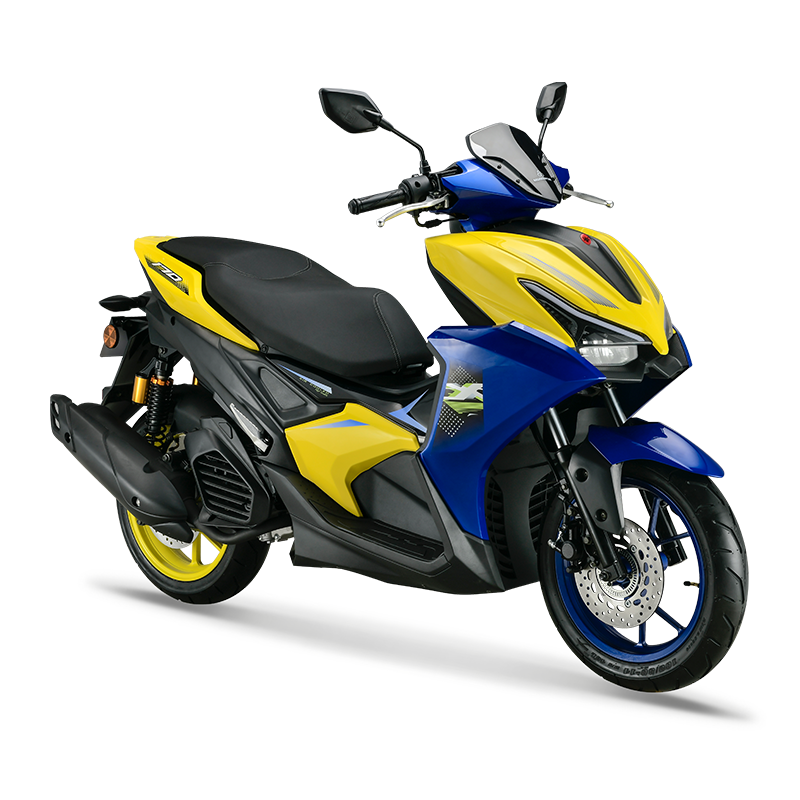
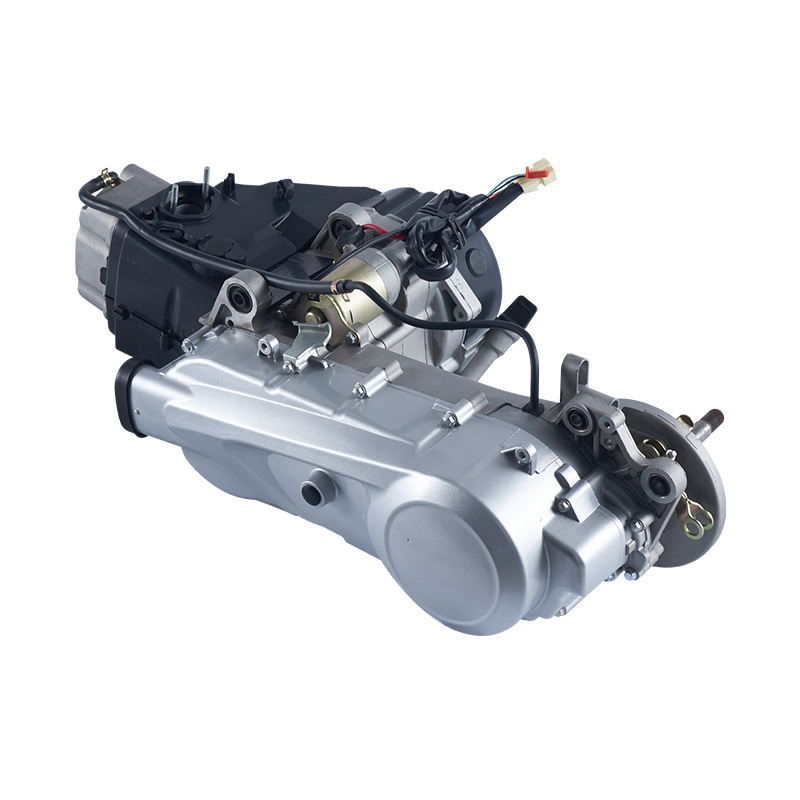
NVX 4th 150cc Liquid-Cooled Electronic Fuel Injection High-Performance Scooter Motorcycle
The 4th Generation NVX 150cc, a high-performance liquid-cooled fuel-injected scooter motorcycle has been meticulous...

Everyday travel in towns and cities often involves short distances, frequent stops and limited parking. A scooter in the 125cc class can cover these journeys with manageable size, straightforward controls and running costs that fit routine budgets. Styling, seating comfort and practical storage further influence whether a particular model becomes a regular choice rather than an occasional one. Cheap New 125cc Scooters and Small 125 Motorbikes that balance these elements therefore attract riders who need reliable local transport without the bulk of larger machines.
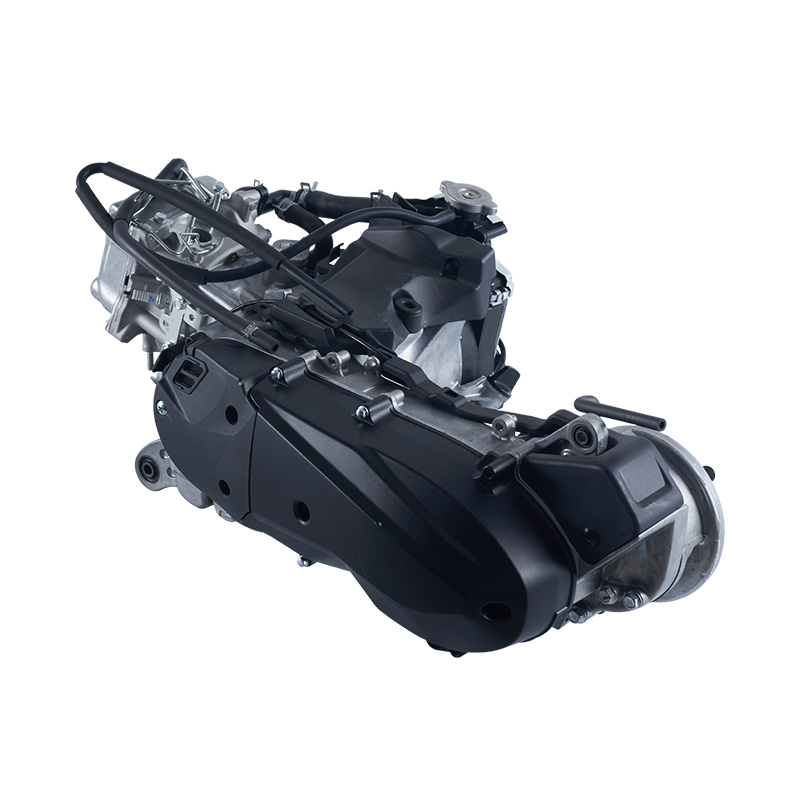
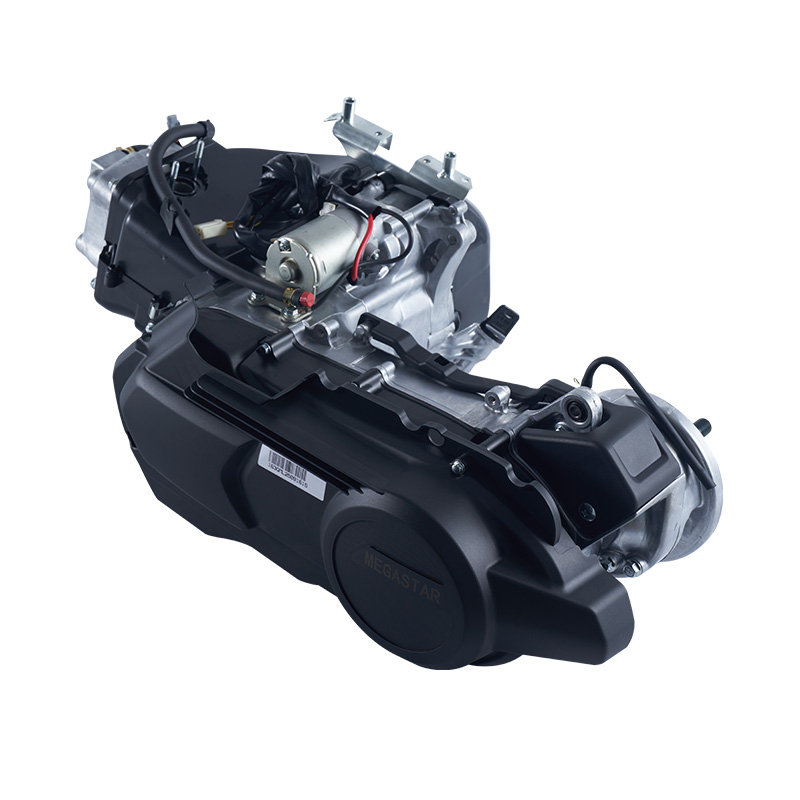
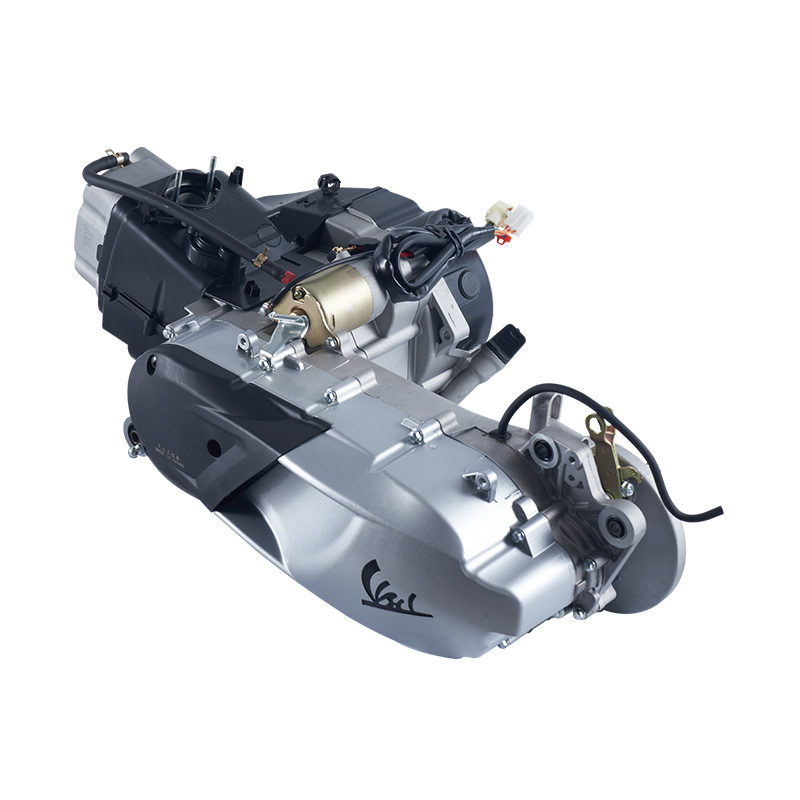
An engine in this displacement range can supply enough response for joining traffic, maintaining pace on ordinary streets and climbing moderate gradients, depending on the specific tune, the load carried and the road conditions. The emphasis is on usable pull from low speeds rather than on high top-end figures that are rarely reached in congested areas.
Narrow overall width and light steering effort help when filtering through slow traffic or manoeuvring between parked vehicles. Simple throttle and brake controls reduce the concentration required for each stop-start cycle, which is useful when the same route is repeated every day.
Current scooters often adopt cleaner panels, sharper or more rounded profiles and a range of colour finishes that allow personal preference to play a part in selection. The visual character of the machine can influence whether it is perceived as purely utilitarian or as a more considered daily companion.
Appearance alone does not determine long-term satisfaction. Riders also weigh how easily the scooter can be cleaned, whether the bodywork protects the rider from light spray, and how the overall shape affects wind exposure at ordinary speeds. Models that combine an appealing outline with practical panel layout tend to remain in regular use.
Seat length and cushioning, the distance to the handlebars and the placement of the footboard together decide whether the posture remains relaxed after a full week of short trips. A position that keeps the wrists, back and legs free of strain supports consistent daily use.
Compact dimensions and a balanced distribution of mass make the scooter easier to push into a tight parking space or to hold upright at lights. Low-speed stability reduces the physical effort required when traffic moves only a few metres at a time.
Commuting to a workplace, collecting groceries, visiting services within the same district and similar short journeys form the core use case. The scooter's ability to cover these routes without the need for a larger vehicle or reliance on public schedules is a practical advantage.
Under-seat space, where provided, allows a helmet or a modest amount of shopping to be carried out of the weather. The presence of a pillion seat and any passenger footrests determines whether a second person can be carried occasionally. These features are checked against the actual pattern of use rather than assumed to be identical across models.
Purchase price is only one element. Fuel consumption under typical urban conditions, insurance category, registration fees and the cost of routine servicing all contribute to the true expense of keeping the scooter on the road. Comparing these items across candidate models gives a clearer picture than the sticker price alone.
The recommended intervals for inspection and replacement of consumable items, together with the local availability of spare parts and qualified workshop support, influence how easily the machine can be kept in reliable condition. Models that align with widely supported service networks reduce the risk of extended downtime.
Daily distance, the mix of city streets and any short open-road sections, the rider's experience level, the need for storage and the importance of passenger capacity are listed and compared with the attributes of each scooter under consideration. A model that matches the real pattern of use is more likely to remain the primary means of local travel.
Engine description, braking equipment, overall dimensions, stated warranty coverage and any licensing or registration rules that apply in the intended region are examined before a decision is finalised. Compatibility with local road regulations is confirmed so that the scooter can be used without later restriction.
| Consideration | Relevance to Daily Use | Points to Verify |
|---|---|---|
| Engine response in urban traffic | Adequate pull for starts, hills and ordinary speeds | Behaviour under load and in stop-start conditions |
| Dimensions and low-speed control | Ease of filtering, parking and manoeuvring | Width, weight distribution and steering effort |
| Seat and riding position | Comfort over repeated short journeys | Seat shape, handlebar reach and footboard layout |
| Storage and passenger provision | Ability to carry items or an occasional passenger | Under-seat volume and pillion arrangements |
| Running and service costs | Predictable long-term expense | Fuel use, insurance group, parts and service access |
| Styling and practical bodywork | Personal preference and everyday usability | Colour options, panel layout and weather protection |
Modern scooters in this class appeal when their power delivery suits ordinary urban distances, when their size and controls simplify traffic and parking, when seating and posture remain comfortable day after day, and when storage and running costs align with actual use. Styling contributes to the decision, yet it is weighed alongside the practical attributes that determine whether the machine stays in regular service. Taizhou Jiaojiang Zhiwei Motorbike Manufacture Co., Ltd. produces 125cc scooters intended for everyday commuting and local travel. Review of available design details, dimensional data, equipment levels and support arrangements against individual route patterns and ownership expectations allows selection of a model suited to consistent daily use.
E-mail: [email protected]
Tel: +86-13806579227/+86-576-88011088
ADD: Hongjiachaiyang Industrial Zone, Jiaojiang District, Taizhou City, Zhejiang Province, China
China Scooter Motorcycle Manufacturer & Factory