English
  中文简体
中文简体 русский
 Español
 عربى
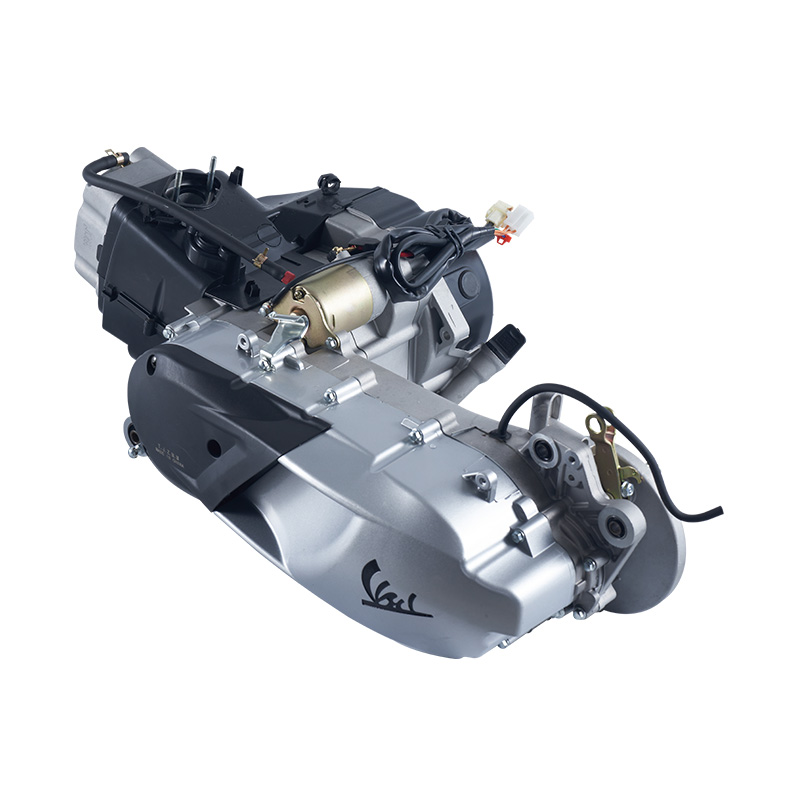
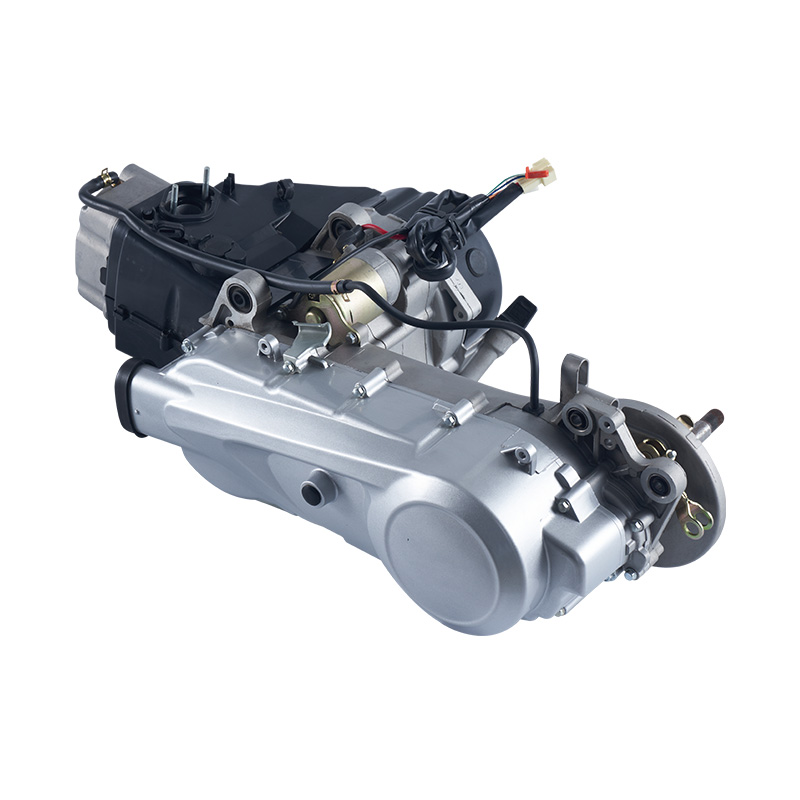
عربىNVX 4th 150cc Liquid-Cooled Electronic Fuel Injection High-Performance Scooter Motorcycle
The 4th Generation NVX 150cc, a high-performance liquid-cooled fuel-injected scooter motorcycle has been meticulous...
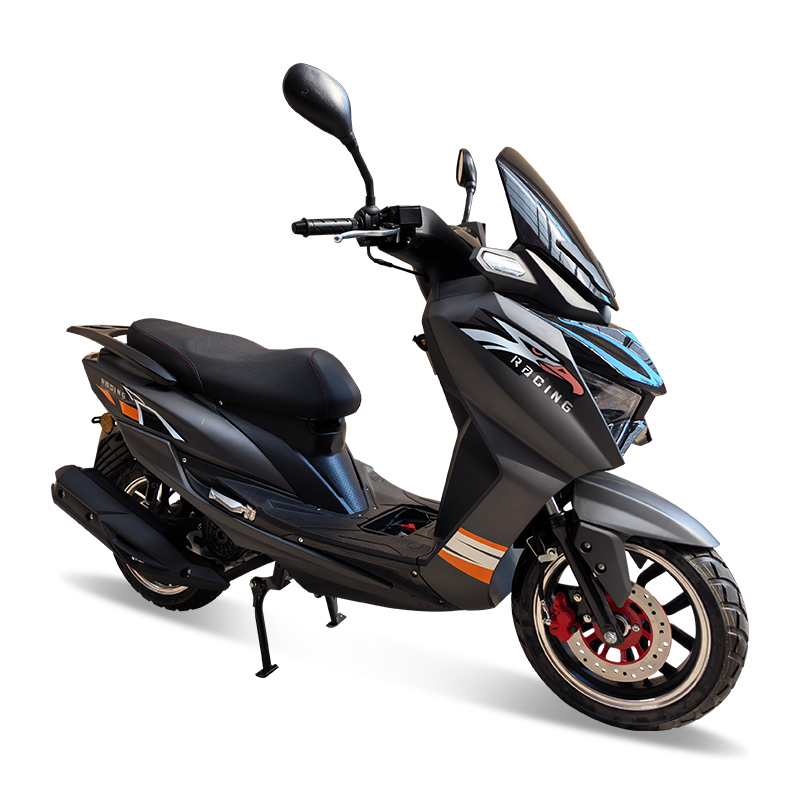
Turning the key and getting nothing but silence, or a weak sputter that dies right away, is one of the more frustrating moments a scooter owner runs into. A Gas Scooter Motorcycle that will not start on a morning commute usually points to one of a handful of familiar culprits, and a good number of them are easier to diagnose than people assume once the process gets broken down step by step. This piece walks through what tends to cause starting trouble, how gas and hybrid systems differ in their failure points, and what routine care actually prevents down the line. A little patience during diagnosis usually goes further than guessing at parts to replace.
A no-start condition rarely comes out of nowhere. It usually builds up from something small that got ignored for a while, like a battery that has been slowly losing charge or a fuel line that picked up a bit of contamination over time. Catching these signs early saves a rider from getting stranded somewhere inconvenient.
Before assuming anything serious is wrong, a few basic checks tend to resolve a surprising share of starting complaints:
Running through this short list before pulling out any tools saves a lot of wasted effort. A surprising number of service calls trace back to something as simple as a kill switch bumped into the off position, or a fuel gauge that has been reading inaccurately for weeks without anyone noticing the drift.
Not always, though it gets blamed more often than it deserves. A weak battery produces a slow crank or a clicking sound rather than complete silence, which is a useful clue when narrowing things down. If the dashboard lights barely glow or the starter motor sounds sluggish, battery charge is a reasonable place to start looking.
That said, a fully charged battery paired with a dead starter relay or a corroded ground wire can produce nearly identical symptoms. Ruling out the electrical connection points before replacing a battery outright avoids spending money on a part that was never the actual problem.
A quick way to narrow things down without any special tools involves listening closely to what happens when the key turns. A single click followed by silence often points toward the starter relay rather than the battery itself, while a series of rapid clicks tends to suggest the battery genuinely lacks the charge needed to engage the starter motor.
Traditional fuel-powered scooters rely on a chain of mechanical and combustion systems working together, and a break anywhere in that chain shows up as a starting failure. Understanding where each system sits in the process makes troubleshooting far less mysterious.
| System | Common Symptom | Typical Cause |
|---|---|---|
| Fuel Delivery | Engine cranks but will not catch | Clogged line, stale fuel, faulty pump |
| Ignition | No spark, engine turns over freely | Worn spark plug, damaged ignition coil |
| Carburetor or Injection | Rough or uneven start attempts | Dirty jets, sensor drift, air mixture issues |
| Starter Motor | Clicking sound, no crank at all | Worn brushes, loose wiring, weak battery |
Gas scooters that sit unused for stretches of time often develop fuel system issues, since fuel can degrade or leave residue inside lines and jets. A rider who tries to start a bike that has been parked for weeks and gets nothing but a weak cough from the engine is usually looking at a fuel delivery problem rather than anything electrical. It is a common enough pattern that experienced service teams often ask about storage duration before they even open the panel.
Draining old fuel and running a cleaner through the system resolves a fair share of these cases without needing a shop visit. If the smell of fuel is present but the engine still refuses to catch, checking the spark plug becomes the next logical step.
Seasonal storage plays a bigger role in fuel trouble than a lot of owners realize. A scooter parked through a rainy stretch or left untouched over a slow season often develops varnish buildup inside the carburetor jets, which restricts fuel flow just enough to prevent a clean start even though the tank itself is full. Running the engine periodically, even briefly, helps keep fuel moving through the system rather than sitting stagnant.
Ignition trouble tends to announce itself differently. The engine turns over, sometimes with a healthy crank, but nothing ignites. A fouled spark plug, often coated in dark residue, is a frequent offender and one of the simplest fixes available to an owner without specialized tools.
Beyond the plug itself, a damaged ignition coil or a loose wiring connection along the ignition circuit can interrupt spark delivery entirely. These issues are less visible than a dirty plug and usually call for a multimeter check rather than a visual inspection alone.
Weather exposure factors into ignition reliability more than people expect. Moisture working its way into a spark plug boot or an ignition connector over repeated rainy commutes can create intermittent faults that come and go, which makes them frustrating to pin down without a systematic check of each connection point along the circuit.
A Hybrid Scooter Motorcycle introduces components that a traditional gas model simply does not have, which means troubleshooting has to expand beyond fuel and spark. Battery management systems, motor controllers, and the interaction between electric and combustion power sources all add potential failure points.
Riders switching from a gas bike to a hybrid sometimes assume the same diagnostic steps apply, but that assumption causes wasted time. A hybrid unit that will not start might have a completely functional fuel system while the actual fault sits somewhere in the battery management software or a loose connector feeding the motor controller.
The interaction between systems adds a layer that a purely mechanical bike does not have to deal with. A gas scooter either has spark and fuel or it does not, but a hybrid unit depends on multiple components agreeing with each other before the drivetrain engages, which means a fault in one sensor can mask what is actually going on elsewhere in the system.
Because hybrid systems depend on a battery pack working in coordination with the combustion engine, a starting failure here often traces back to charge state or a communication fault between the battery management unit and the rest of the drivetrain. Symptoms can look electrical even when the actual fault sits in software or a sensor reading rather than a hardware failure.
A rider noticing warning lights alongside a no-start condition on a hybrid unit should treat that combination as a signal to check the battery management system before assuming the issue mirrors a standard gas bike complaint.
Preventing starting problems costs a lot less time and effort than diagnosing them after the fact. Whether the machine in question is a Scooter Motorcycle 125cc used for daily commuting or a Lightweight Scooter Motorcycle kept mostly for weekend rides, the same basic maintenance habits apply across both.
Owners who treat maintenance as an occasional task rather than a routine one tend to run into the same starting complaints again and again, usually at inconvenient moments. Building a habit around a few recurring checks costs almost nothing in terms of time but pays off considerably the earliest time it prevents a bike from stalling out somewhere far from home.
A short routine covers a good share of what keeps starting reliability steady:
None of these steps demand special equipment. A rider willing to spend a few minutes on inspection every so often tends to avoid the kind of starting failure that turns into an inconvenient morning surprise.
Weather changes are worth building into that routine as well. A bike stored through a cold or damp stretch benefits from a battery check right before regular use resumes, since charge tends to drop faster in cooler conditions and connectors are more prone to picking up moisture during storage.
To some extent, yes. A Street Legal Scooter Motorcycle built with accessible wiring layouts and straightforward fuel systems makes both diagnosis and repair easier for owners and dealer service teams alike. Vehicles designed with maintenance access in mind, rather than tightly packed components that require disassembly for basic checks, tend to see fewer prolonged downtime incidents.
Design choices at the manufacturing stage carry weight here. A scooter built with quality electrical connectors, corrosion-resistant terminals, and dependable ignition components starts more reliably across its working life, which matters as much to a dealer managing warranty claims as it does to an individual rider trying to get to work on time.
Component placement matters just as much as component quality. A battery tucked behind panels that require significant disassembly to access discourages routine inspection, and a wiring harness routed too close to heat sources ages faster than one positioned with some thought given to airflow and clearance. These details rarely show up in a spec sheet, but they shape how often a bike ends up back in a service bay.
For dealers and buyers sourcing inventory rather than a single vehicle, starting reliability becomes a bigger conversation than any individual fix. A Scooter Motorcycle Producer with consistent quality control across fuel systems, ignition components, and battery management reduces the volume of warranty claims and service complaints that come back after a batch reaches the market.
Buyers evaluating a manufacturer for bulk orders tend to ask about a handful of specific things:
A producer that addresses these points directly tends to build a stronger relationship with dealers who need predictable performance rather than a batch that generates repeated service calls.
There is a practical reason this matters beyond simple frustration. Every unit that returns for a starting complaint ties up service bay time, uses parts inventory, and chips away at how a dealer's customers view the brand behind the bike. A producer that catches connector quality issues or battery calibration drift before units ship saves that entire chain of downstream cost, which tends to matter far more to a buyer's bottom line than a slightly lower unit price up front.
Starting problems on a scooter rarely stem from a single mysterious cause, and working through fuel, ignition, and electrical checks in sequence resolves the overwhelming share of complaints without needing a full teardown. Hybrid platforms add their own layer of complexity around battery management, which is worth understanding separately rather than forcing the same gas-engine logic onto a system that works differently under the surface. For dealers and buyers looking past a single vehicle toward consistent production quality and dependable starting performance across a full lineup, Taizhou Jiaojiang Zhiwei Motorbike Manufacture Co., Ltd. works with partners on both gas and hybrid platforms, applying quality control practices designed to cut down on the kind of starting complaints covered here. Reaching out to discuss sourcing needs before committing to a supplier tends to make that relationship a lot smoother from the earliest order onward.
E-mail: [email protected]
Tel: +86-13806579227/+86-576-88011088
ADD: Hongjiachaiyang Industrial Zone, Jiaojiang District, Taizhou City, Zhejiang Province, China
China Scooter Motorcycle Manufacturer & Factory