English
  中文简体
中文简体 русский
 Español
 عربى
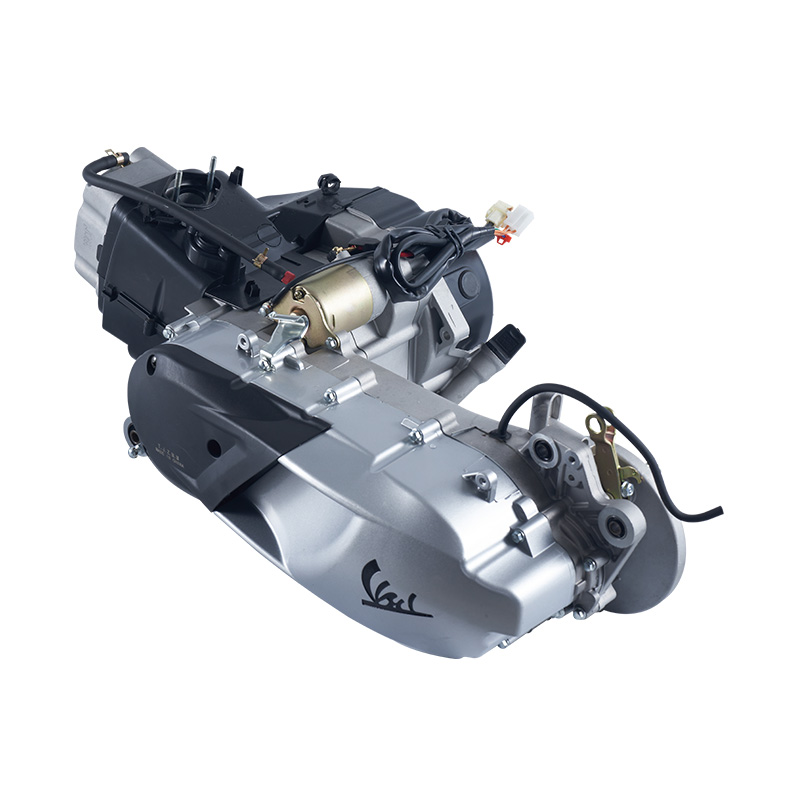
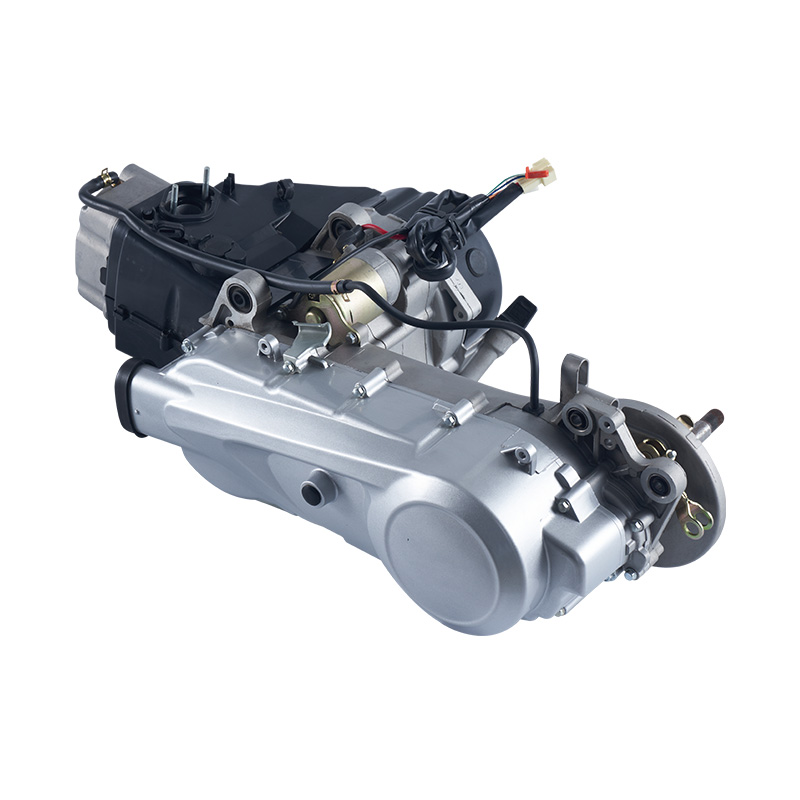
عربىNVX 4th 150cc Liquid-Cooled Electronic Fuel Injection High-Performance Scooter Motorcycle
The 4th Generation NVX 150cc, a high-performance liquid-cooled fuel-injected scooter motorcycle has been meticulous...
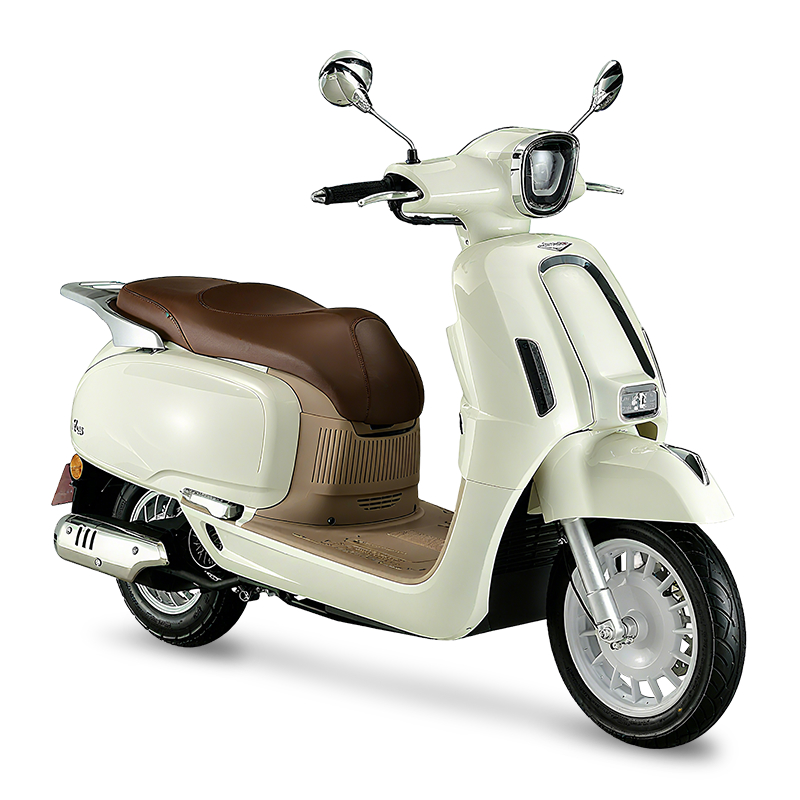
Sputtering on cold mornings, fuel economy that never quite matches what the brochure promised, and that nagging suspicion your scooter runs richer than it should — anyone who owns or maintains a Scooter Motorcycle 125cc has probably run into at least one of these moments. The question of carburetor versus electronic fuel injection isn't academic for these riders. It shows up directly in how the bike starts, how far a tank actually takes them, and how much time gets spent tinkering with jets and idle screws. Fuel delivery systems don't get much attention until something goes wrong, or until a rider starts comparing notes with someone whose bike seems to sip fuel more efficiently under the same conditions. That comparison usually leads straight to the carburetor-versus-EFI question, and the answer matters more than most casual conversations suggest.
A carburetor is a purely mechanical device that mixes air and fuel before that mixture enters the engine. It relies on airflow passing through a narrow venturi to draw fuel from a reservoir, using pressure differences rather than any electronic control to determine how much fuel gets pulled in at a given moment.
This mechanical simplicity is both the carburetor's strength and its limitation. There's no computer involved, which means fewer components that can fail electronically, but it also means the fuel mixture can't adjust itself in real time to changing conditions the way an electronically controlled system can.
EFI replaces that mechanical guesswork with sensors and a control unit that measures conditions like engine temperature, throttle position, and airflow, then calculates precisely how much fuel to inject at any given moment. Rather than relying on a fixed mechanical setup tuned for average conditions, EFI adjusts continuously.
That continuous adjustment is really the core difference driving most of the practical distinctions riders notice between the two systems.
This is usually the question that brings people to this comparison in the first place. Since EFI calculates fuel delivery based on actual, real-time conditions rather than a fixed mechanical ratio, it tends to avoid the over-fueling or under-fueling that carburetors are prone to under changing temperature, altitude, or load conditions.
A carburetor, tuned for one set of average conditions, will run slightly rich or lean once conditions shift away from that baseline. EFI's constant recalculation keeps the mixture closer to appropriate across a wider range of situations, which is where a good portion of its efficiency advantage comes from.
Yes, noticeably. Cold mornings, altitude changes, or humid conditions all shift the ideal fuel-air ratio, and a carburetor has no way to compensate for that shift on its own. EFI systems adjust automatically, which is part of why cold starting tends to be smoother and more consistent on EFI-equipped bikes.
Carbureted scooters, particularly older or poorly maintained ones, often need a choke or extended warm-up period before running smoothly. This isn't a flaw exactly — it's just a consequence of a mechanical system that can't sense engine temperature and adjust fuel delivery accordingly.
EFI systems, by contrast, use temperature sensors to enrich the mixture automatically during cold starts, then taper that enrichment off as the engine warms. For anyone starting a scooter first thing in the morning regularly, this difference becomes noticeable fairly quickly.
It's not all in EFI's favor, though. Carburetors are mechanically simple, meaning they're often easier and cheaper to service, clean, or rebuild without specialized diagnostic equipment. A rider or independent mechanic with basic tools can typically strip down and clean a carburetor without needing anything beyond patience and familiarity with the parts.
EFI systems, being computer-controlled, generally require diagnostic tools to troubleshoot properly when something goes wrong. This isn't necessarily a downside for reliability, since EFI systems tend to need less routine adjustment overall, but when something does fail, the repair path often runs through a dealer or specialist rather than a home garage.
Throttle response tends to feel more consistent on EFI-equipped bikes, since the system compensates for changing conditions in real time rather than relying on a fixed mechanical calibration. Carbureted engines can experience minor hesitation or surging under certain conditions, particularly if the carburetor hasn't been tuned recently or is slightly out of adjustment.
That said, plenty of riders on well-maintained carbureted scooters report smooth, predictable power delivery too — the difference tends to widen more as maintenance intervals get skipped, since a neglected carburetor drifts further out of tune than a neglected EFI system typically does.
EFI systems generally produce more consistent combustion, which translates into more predictable emissions output. This has made EFI increasingly common as regulatory standards around emissions have tightened in various markets, since a computer-controlled system can be calibrated to meet specific emissions targets more reliably than a mechanical carburetor tuned by hand.
For anyone considering a street legal scooter motorcycle intended for regular road use in areas with emissions inspections, this consideration sometimes plays into the final decision as much as fuel economy does.
| Factor | Carburetor | Electronic Fuel Injection |
|---|---|---|
| Fuel efficiency | Fixed ratio, less adaptive to conditions | Adjusts continuously based on sensor input |
| Cold starting | Often needs choke or warm-up period | Automatic enrichment via temperature sensing |
| Maintenance | Simple, accessible with basic tools | Requires diagnostic equipment for troubleshooting |
| Power delivery | Can vary with tuning and wear | Generally more consistent across conditions |
| Emissions consistency | Less predictable, depends on tuning | More stable and regulation-friendly |
Looking at the comparison this way makes clear that neither system is universally better. The right choice depends heavily on how the scooter gets used and what the rider values most.
Regardless of whether a scooter runs a carburetor or EFI, it's still fundamentally a gas scooter motorcycle relying on liquid fuel combustion. The delivery method changes how efficiently that fuel gets used, but it doesn't change the basic fact that fuel cost and availability remain part of the ownership equation either way.
This is part of why fuel efficiency differences between the two systems matter so much to buyers evaluating long-term running costs, particularly for scooters used daily for commuting rather than occasional recreational riding.
Some manufacturers have explored hybrid scooter motorcycle configurations that blend electric assistance with a traditional combustion engine, aiming to capture some efficiency benefits without fully committing to an all-electric platform. These remain a smaller segment of the market, but they represent an interesting middle ground for buyers weighing efficiency against the practical range and refueling convenience that a conventional gas-powered scooter still offers.
Weight interacts with fuel delivery system choice in ways that aren't always obvious at first glance. A lightweight scooter motorcycle generally needs less power to move, which can make the efficiency gap between carburetor and EFI feel smaller in daily use, simply because the engine isn't working as hard regardless of which fuel delivery method it uses.
That said, even on lighter bikes, the cold-start and consistency advantages of EFI tend to hold up, since those benefits come from sensor-based adjustment rather than raw power output.
For scooters intended for regular road use, particularly in regions with strict emissions or noise regulations, the fuel delivery system can directly affect whether a given model qualifies as a street legal scooter motorcycle in the first place. EFI's more consistent combustion characteristics often make regulatory compliance more straightforward, which is worth checking before assuming any given model meets local requirements.
For anyone specifically comparing options within the Scooter Motorcycle 125cc category, the decision usually comes down to weighing a few practical factors:
Working through these questions honestly, rather than assuming one system is simply superior in every situation, tends to produce a choice that actually fits how the scooter will be used day to day.
Choosing between carburetor and EFI systems for a 125cc scooter ultimately comes down to matching the technology to actual riding conditions and maintenance preferences rather than assuming one approach wins in every scenario. Riders prioritizing simple, accessible repairs might still lean toward a well-tuned carburetor, while those focused on consistent cold starts, fuel efficiency, and emissions compliance will likely find EFI worth the added complexity. For manufacturers, dealers, or fleet buyers evaluating scooter motorcycle company options and comparing fuel delivery systems across different models, Taizhou Jiaojiang Zhiwei Motorbike Manufacture Co., Ltd. works with buyers to match engine configuration to actual usage requirements and welcomes inquiries about model specifications and sourcing for specific market needs.
E-mail: [email protected]
Tel: +86-13806579227/+86-576-88011088
ADD: Hongjiachaiyang Industrial Zone, Jiaojiang District, Taizhou City, Zhejiang Province, China
China Scooter Motorcycle Manufacturer & Factory