English
  中文简体
中文简体 русский
 Español
 عربى
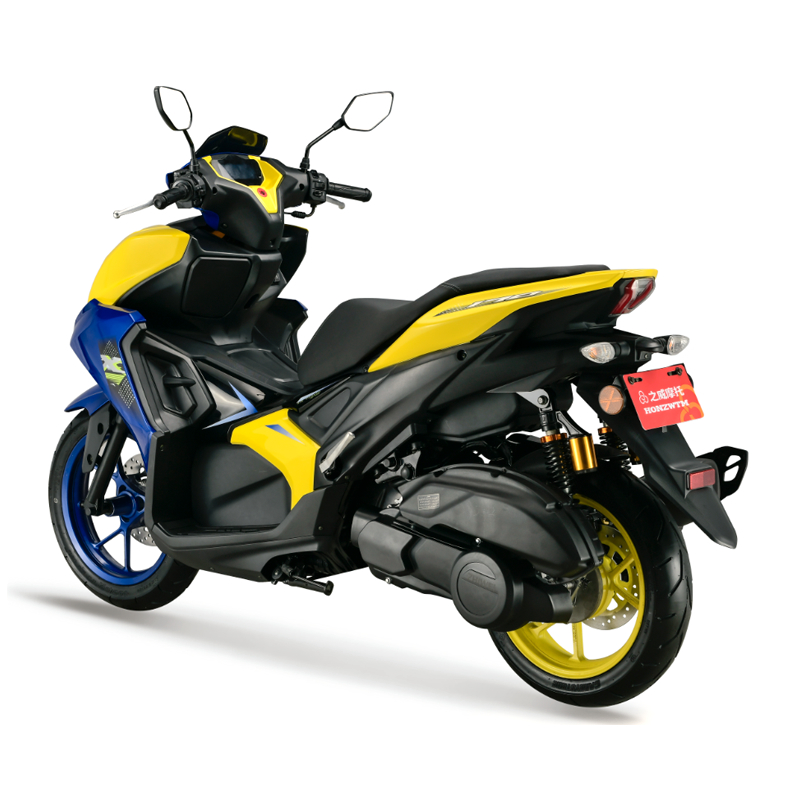
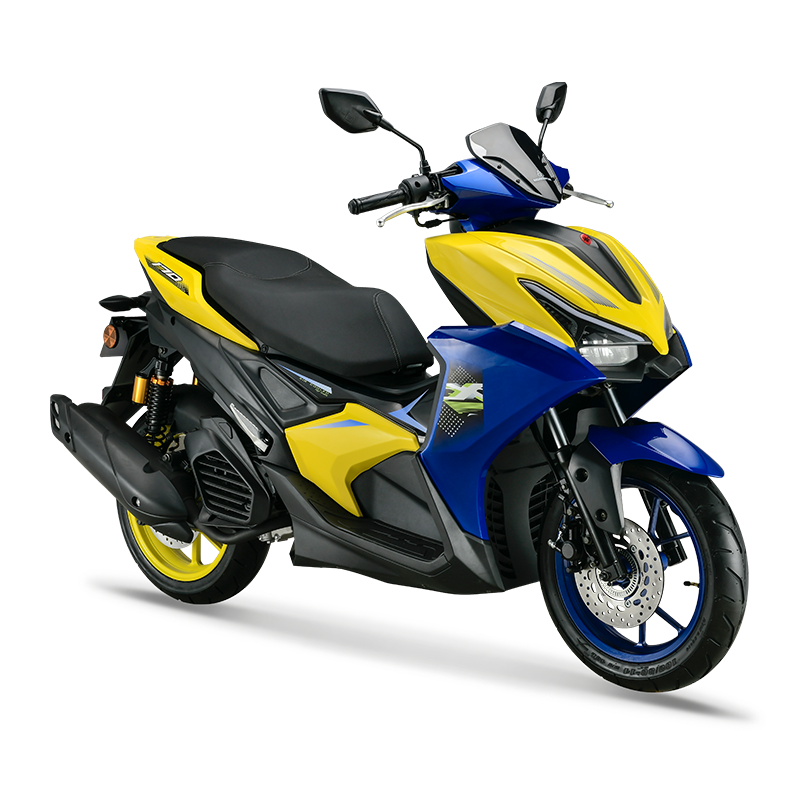
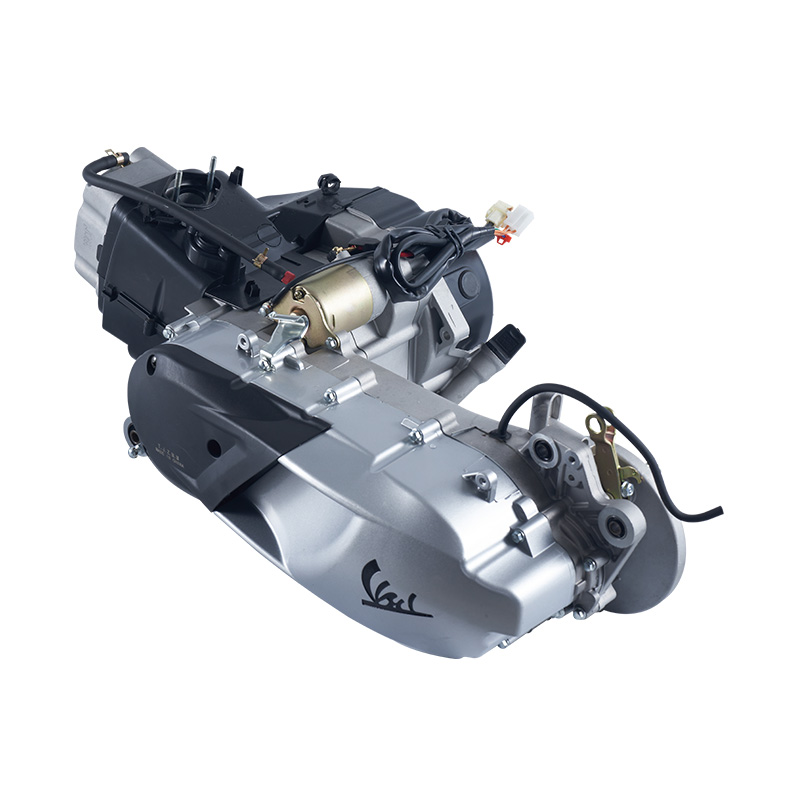
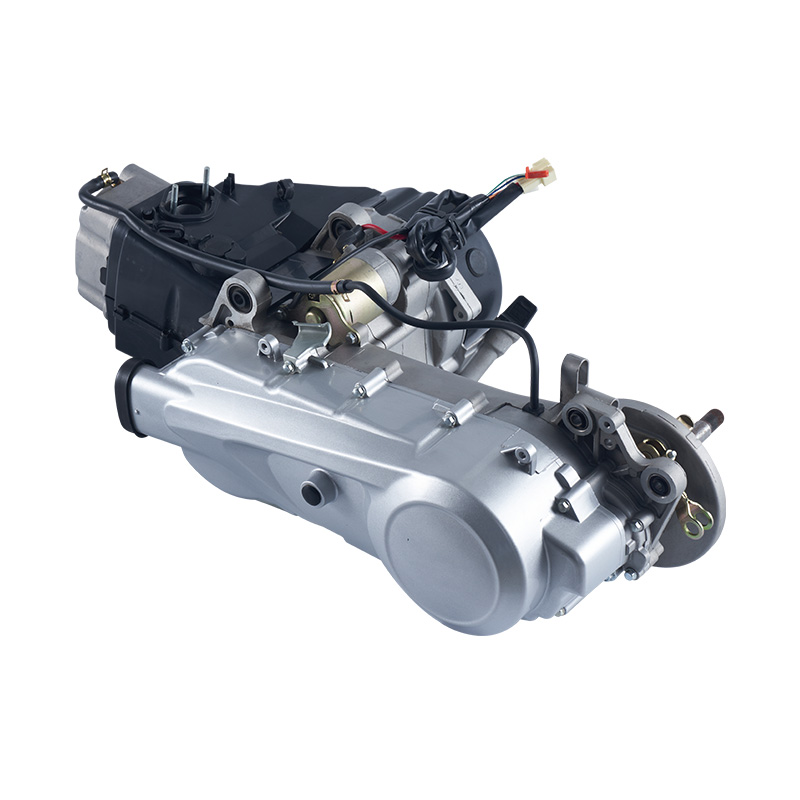
عربىNVX 4th 150cc Liquid-Cooled Electronic Fuel Injection High-Performance Scooter Motorcycle
The 4th Generation NVX 150cc, a high-performance liquid-cooled fuel-injected scooter motorcycle has been meticulous...
A scooter can feel completely fine on a short ride, then run into a much tougher cooling situation once traffic slows down, the engine starts working harder, or the air around it just turns warm. The cooling system has to keep pulling heat away while the vehicle keeps running. That's a job that depends on several parts pulling their weight together.
Unlike a basic air-cooled setup, a Liquid Cooled Scooter moves heat away from the engine through coolant that keeps circulating. The coolant soaks up heat, travels through the system, dumps part of that heat back out, then heads back to start the cycle over again. Let any piece of that process slip, and the engine may not hold the temperature balance it's supposed to during normal riding.
For riders and maintenance crews, cooling performance ends up being about a lot more than just the coolant sitting in the tank. Engine load, airflow, circulation, part condition, riding conditions, and maintenance habits all feed into how well the whole system actually handles heat.
Engine load shifts with whatever's happening on the road. Cruising gently down an open stretch demands something completely different from repeated acceleration, climbing hills, hauling extra weight, or crawling through dense traffic.
Push the engine harder, and there's more heat that needs managing. The cooling system still has to move that heat away while the engine keeps chugging along. If airflow's already weak, circulation's restricted, or maintenance has been skipped for a while, that extra heat load makes existing problems a lot more obvious.
Urban riding brings its own particular headache. A scooter can spend ages crawling along, stopping, then accelerating again. The engine keeps working the whole time, even while natural airflow around the vehicle stays pretty limited.
| Riding Condition | Cooling Consideration |
|---|---|
| Open-road cruising | Natural airflow can assist heat release |
| Stop-and-go traffic | Air movement may be limited |
| Long climbs | Engine load can remain elevated |
| Repeated acceleration | Heat production can change quickly |
| Heavy traffic | Cooling demand may continue at low vehicle speed |
None of this means slow riding is automatically bad news. It just means cooling performance needs weighing against whatever conditions the scooter's actually being ridden in.
Coolant circulation sits right at the center of any liquid cooling setup. The fluid has to actually move through the right passages so heat gets carried away from spots that heat up during operation.
Cut circulation down, and heat stops transferring as effectively as it should. Plenty of things can cause that — trouble with the circulation mechanism, some kind of blockage, fluid that's not in the right condition, or air trapped inside the system where it shouldn't be.
Coolant condition matters here too. It's not just some liquid sitting around carrying heat. It also needs to stay compatible with the materials and environment it's operating inside.
Healthy circulation basically runs as a continuous loop:
Heat is transferred from the engine to the coolant.
The warmed coolant moves away from the engine.
Heat is released through the cooling section.
The cooled fluid returns toward the engine.
The cycle continues during operation.
Once that cycle gets irregular, the temperature balance starts shifting. A rider might actually notice unusual temperature behavior well before anything mechanical goes visibly wrong.
Liquid cooling doesn't mean airflow stops mattering. The coolant still needs somewhere to dump its heat eventually, and airflow around the heat exchanger plays a genuinely important part in that.
At higher speeds, air naturally rushes through the front of the scooter. Slow down into city traffic, though, and that natural airflow drops off fast. The system ends up leaning more heavily on whatever airflow management it's built with.
The surroundings matter too. Dust, insects, road debris, general grime — all of it can collect around exposed cooling surfaces over time. A layer of buildup makes it harder for heat to actually escape into the surrounding air.
Cooling area condition, then, deserves a spot in routine inspection. It should stay reasonably clear, free of anything visibly blocking it.
The scooter's own body panels play into airflow too. Panels and covers are shaped specifically to guide air where it needs to go, so damaged or badly installed pieces can throw off that intended path.
The heat exchanger is where a lot of the heat carried by coolant actually gets released. Its condition has a direct grip on how well the system moves heat into the surrounding air.
Physical damage cuts down airflow through the cooling surface. Grime buildup causes basically the same problem. Even a surface that just looks lightly dirty might deserve real attention if that grime's spread out across a wide area.
Cleaning needs a careful hand here. Cooling fins and nearby surfaces can be pretty delicate. Too much force or the wrong cleaning approach can cause more damage than it fixes.
Surrounding parts deserve a look too. Hoses, connections, protective covers, and nearby panels all shape how the cooling assembly performs as a whole unit.
A useful maintenance check tends to include:
Looking for visible contamination.
Checking for damaged cooling surfaces.
Inspecting nearby hoses and connections.
Looking for signs of fluid leakage.
Confirming that airflow paths are not obviously blocked.
Simple observations like these catch trouble early, before it turns into a much bigger maintenance job down the road.
City riding throws some unusual demands at a scooter. The vehicle keeps switching between accelerating and braking while spending a good chunk of time crawling at low speed.
A Water Cooled Scooter can handle these conditions through its cooling system, sure, but that system still has to keep working even when natural airflow's in short supply.
Traffic lights and congestion create their own stretches of repeated low-speed operation. The engine keeps producing heat the whole time, even though the scooter isn't moving fast enough to pull in the same airflow it would out on the open road.
Riders should keep an eye on odd shifts in temperature behavior, especially if the same route keeps producing the same weird pattern over and over. A recurring issue often points toward a real cooling or maintenance concern, rather than just being an ordinary side effect of city riding.
Riding style plays into it too. Sudden bursts of acceleration followed by constant stopping create shifting engine loads that keep demanding a response from the cooling system.
Cooling systems are built for regular use, sure, but they still need real attention now and then. Skip maintenance long enough, and it gradually chips away at several parts of the system at once.
Coolant condition is worth keeping an eye on. Over time, the fluid stops performing quite like it did fresh out of the bottle. Contamination can creep in too if the system isn't looked after properly.
Leaks deserve attention as well. A small leak might not scream trouble right away, but ongoing fluid loss eats into how much coolant's actually available to circulate.
Connections should get checked for visible wear. Hoses grow less flexible with age and repeated exposure to heat. Clamps and connection points are worth a look too as part of routine upkeep.
| Maintenance Area | What to Look For |
|---|---|
| Coolant | Unusual condition or contamination |
| Hoses | Cracks, swelling, or deterioration |
| Connections | Signs of leakage or looseness |
| Cooling surface | Dirt or physical damage |
| Circulation components | Unusual operating behavior |
| Reservoir area | Unexpected fluid level changes |
Maintenance schedules really should follow whatever the manufacturer actually recommends, rather than leaning on some generic routine that ignores the specific vehicle.
Whatever's happening outside shapes the conditions a cooling system has to operate under. Warm weather, high humidity, dust, heavy traffic — all of it changes the cooling environment.
A scooter ridden through clean, open areas deals with completely different conditions than one navigating crowded streets full of airborne dust and choked-off airflow.
High ambient temperature shrinks the gap between the cooling surface's temperature and the air around it. That makes releasing heat a lot more demanding.
Dust adds its own layer of difficulty. Once particles pile up around cooling surfaces, airflow starts losing effectiveness. Wet or grimy roads bring their own extra contamination into the mix too.
That's exactly why cooling maintenance should reflect the actual riding environment. A scooter mostly ridden through clean suburban streets has different maintenance needs than one grinding through busy urban traffic every single day.
A cooling problem rarely announces itself with some dramatic failure right out of the gate. Small changes tend to creep in gradually instead.
A rider might notice the scooter behaving a little differently on a familiar route. Temperature climbs faster than expected, a cooling fan seems to kick on more often than usual, or there's some sign of fluid loss somewhere.
None of these observations automatically prove a specific fault, though. They're signals worth following up with a closer look.
A sensible approach is comparing the behavior across different riding conditions. If the issue mostly shows up during slow traffic, airflow's probably worth examining. If it shows up under heavy load, the cooling system's ability to handle extra heat might need checking instead.
Maintenance records help here too. Repeated patterns make a lot more sense once riders or technicians know exactly what work's already been done.
Long-term cooling performance rides on the condition of a lot of connected parts all at once. Fluid, circulation path, heat exchanger, airflow route, hoses, connections, surrounding components — each one contributes to the system as a whole.
A Scooter Liquid Cooled design can offer steady temperature management across different riding conditions, as long as its cooling components stay in decent shape. That doesn't erase the need for regular inspection or maintenance, though.
Paying attention regularly cuts down on uncertainty too. Checking the cooling system before problems ever become obvious gives riders and maintenance crews more chances to catch contamination, leakage, damaged surfaces, or other visible changes early.
For vehicles ridden heavily through city environments, maintenance really needs to account for actual riding conditions. Repeated low-speed crawling, frequent stops, warm surroundings, and dusty roads all place different demands on the cooling system than occasional open-road cruising ever would.
The same logic applies to coolant circulation. A system that looks perfectly normal from the outside might still need a professional look if temperature behavior starts shifting. Understanding how engine load, airflow, coolant movement, environmental conditions, and maintenance all connect makes it a lot easier to approach cooling issues based on how the scooter's actually being ridden day to day.
E-mail: [email protected]
Tel: +86-13806579227/+86-576-88011088
ADD: Hongjiachaiyang Industrial Zone, Jiaojiang District, Taizhou City, Zhejiang Province, China
China Scooter Motorcycle Manufacturer & Factory