English
 中文简体
 русский
 Español
 عربى
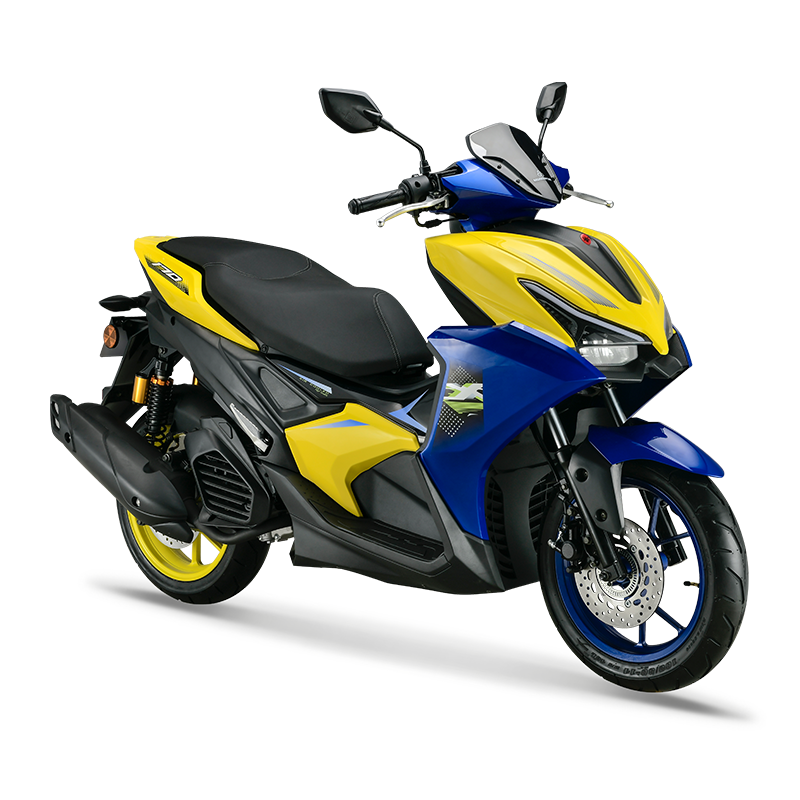
NVX 4th 150cc Liquid-Cooled Electronic Fuel Injection High-Performance Scooter Motorcycle
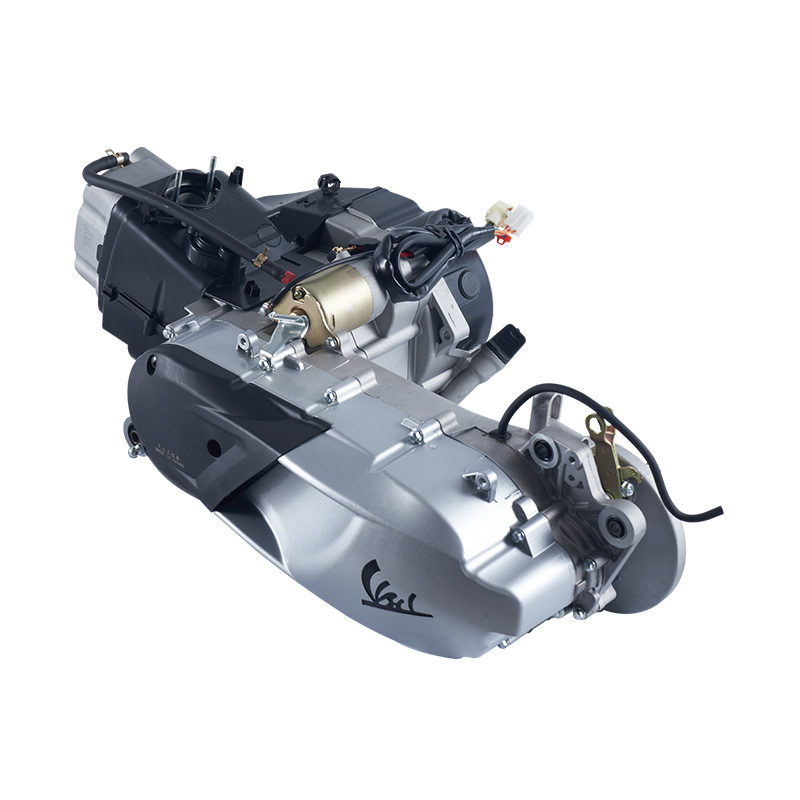
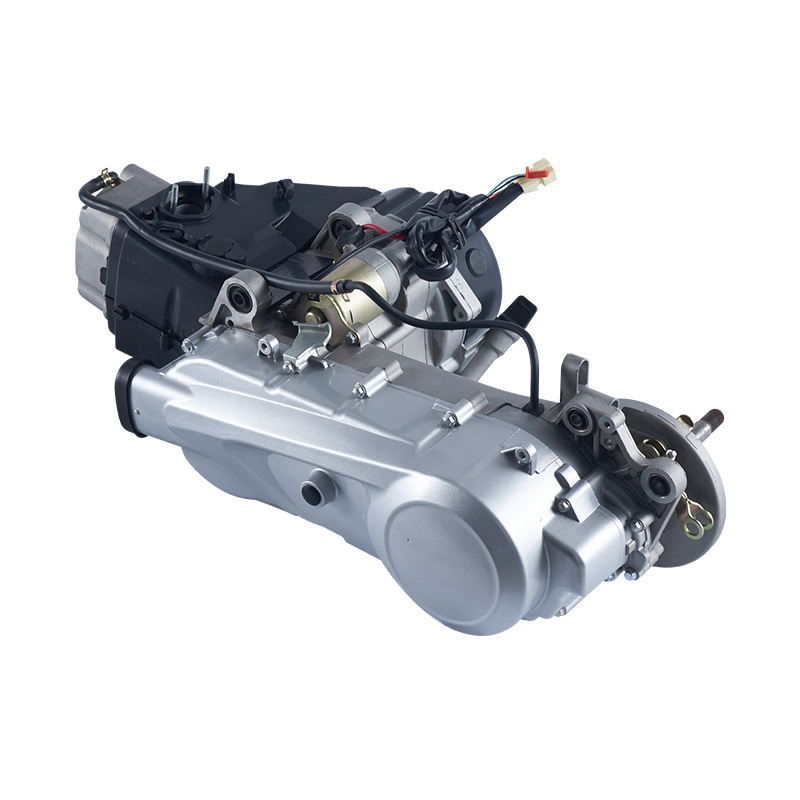
The 4th Generation NVX 150cc, a high-performance liquid-cooled fuel-injected scooter motorcycle has been meticulous...
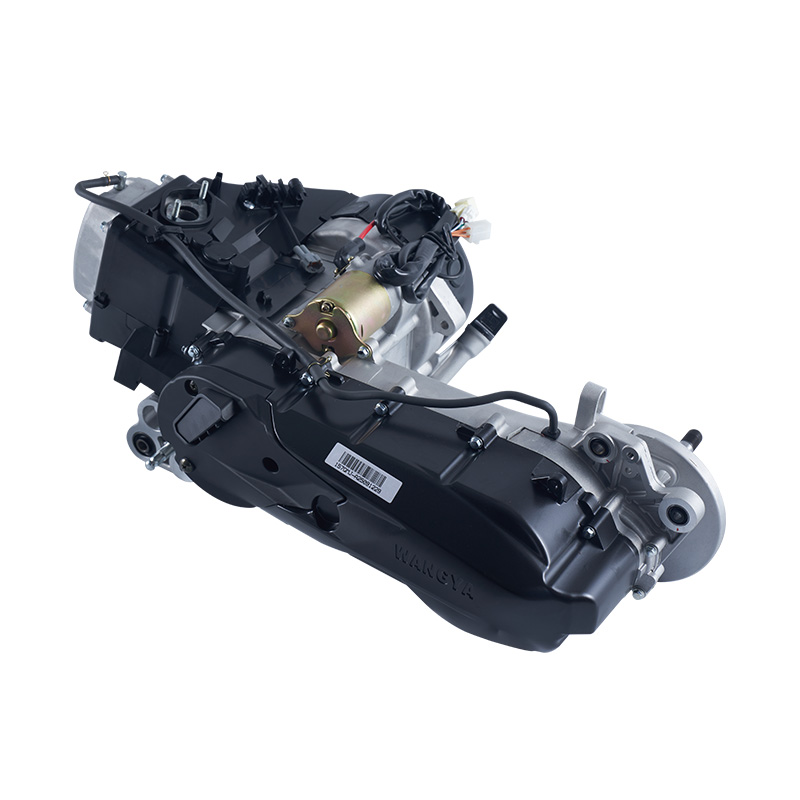
Inside a small internal combustion engine, the cylinder and piston form the space where pressure from burning fuel is turned into motion. One part guides and contains; the other moves and transmits force. Together with rings, lubrication and cooling, they determine whether the engine builds compression, starts cleanly and runs with stable output. When an 80cc Scooter Engine is evaluated for scooter use, the condition and design of these two parts are central to reliability, even though they are only two items on a longer parts list.
The cylinder is the cylindrical cavity in which the piston travels. Its inner diameter—the bore—sets the radial boundary of the combustion space. During the cycle the cylinder must hold combustion pressure without leakage past the piston and rings, so wall integrity and roundness matter for both sealing and smooth sliding.
The cylinder wall keeps the piston aligned as it moves. Surface finish and dimensional accuracy affect friction, ring seating and oil control. Scoring, out-of-round wear or deep scratches disturb that guidance and can lower compression or increase oil consumption, depending on the engine type.
On air cooled designs, fins on the outside of the cylinder increase the area exposed to airflow. Heat from combustion conducts through the wall into the fins and is carried away by moving air. Blocked or damaged fins reduce that path and can raise local temperatures under sustained load.
The piston presents a crown to the combustion chamber, a body that runs in the bore and grooves that hold the rings. Design of the crown and the ring pack is matched to the chamber shape and to whether the engine is two-stroke or four-stroke. Materials and machining limits are chosen so the piston survives heat and side load without scuffing the wall.
As the piston moves toward the closed end of the cylinder, the volume above it shrinks and the trapped charge is compressed. In four-stroke engines that motion is tied to the valve events; in two-stroke engines it is tied to port timing. In both cases the piston is what reduces the volume before ignition.
When the mixture burns, pressure rises and pushes the piston away from the head. The connecting rod carries that force to the crankshaft, where reciprocating motion becomes rotation. Without a sound piston and a free path in the bore, that conversion is inefficient or noisy.
Clearance between piston and bore is a designed gap, not an accident. Too little clearance risks seizure when parts heat and expand; too much increases noise, ring flutter and blow-by. Assembly and any overhaul follow the engine maker's dimensional limits rather than generic rules of thumb.
Rings seated in the piston grooves seal combustion gas from the crankcase side and, where the design requires it, regulate oil on the cylinder wall. Worn, stuck or broken rings are a common cause of low compression and smoky exhaust. Ring type and tension are specific to the engine family.
A film of oil separates piston, rings and wall under normal conditions. Two-stroke and four-stroke engines meter that oil differently—mixed with fuel or supplied from a sump and pump. Using the specified lubricant and interval protects the bore and piston; the wrong oil or starved lubrication accelerates wear.
Combustion heats the crown, rings and upper bore. Heat flows into the piston, into the cylinder wall and outward to the fins and airstream in an air cooled layout. Sustained overload, blocked airflow or failed lubrication raises temperatures and shortens component life.
If the bore is worn, the rings no longer seal, or the piston is damaged, compression drops. Weak compression makes starting harder and combustion less effective. The root cause may be rings, bore, valves or gaskets; diagnosis precedes parts replacement.
Hard starting, unstable idle or misfire under load can involve the cylinder–piston pair but can also involve ignition, fuel or air leaks. Mechanical inspection and compression or leak-down checks narrow the field before the engine is opened.
Blow-by, high friction or uneven bore wear waste energy that should reach the crankshaft. Measured output and subjective smoothness are interpreted against the engine's documented characteristics and test methods, not against memory of a different unit.
Poor cooling, wrong oil or dusty intake air increase wear at the ring–wall interface. Routine checks of fins, oil and air filtration slow that process.
Dirt in the intake, oil starvation or overheating can mark the bore. Inspection under good light and, where needed, measurement with proper tools show whether the cylinder can be reused or must be replaced according to the service limits.
Rings lose tension or face material over time. Symptoms include harder starting and increased oil use. Ring condition is checked whenever the piston is accessible.
Seizure marks, melted crown areas or broken ring lands point to overheating, detonation or lubrication failure. The cause is corrected before a new piston is fitted so the failure does not repeat.
Incorrect clearance after rebuild—whether from wrong parts or improper machining—shows up as noise, smoke or short life. Manufacturer dimensional data govern assembly.
Changes in starting, power, noise or smoke justify inspection but do not name the failed part by themselves. Systematic checks avoid unnecessary strip-downs.
A compression test indicates whether the cylinder is sealing. Acceptable readings depend on the engine model and the test procedure in the service information.
Bore and piston surfaces are examined for scoring and unusual wear. Critical dimensions are measured with appropriate tools when wear is suspected beyond visual judgement.
Correct oil type, mix ratio where applicable and change intervals protect the sliding pair. Operating within intended load and keeping cooling paths open support the same goal.
Bore class, piston identity and any oversize or service options are confirmed against the model. Mixed parts from different families are avoided.
Where material or inspection information is offered, it is reviewed. Surface quality and dimensional control on samples support confidence in volume supply.
Two-stroke versus four-stroke, air cooling layout and lubrication method are stated clearly. Parts are not assumed interchangeable across configurations.
Overall build quality and the inspection steps applied before shipment are discussed. Specifications for repeat orders are frozen against an approved reference.
An air cooled unit in this displacement class is intended for scooters and similar machines designed around matching mounts and transmissions. Configuration details come from the specific product definition.
The bore, piston and rings contain combustion and transmit force to the crank; the finned exterior sheds heat. Installation must leave airflow paths open so the cylinder can reject heat as designed.
Fins on the cylinder are part of the thermal design. Their condition in service is a maintenance item, not only a casting detail.
Scooter manufacturers and parts channels confirm displacement class, engine type and interface dimensions before ordering. Technical documents and samples support that confirmation.
It moves in the bore, compresses the charge, receives combustion pressure and passes force through the rod to the crankshaft.
It guides the piston, contains pressure and, on air cooled engines, carries heat to the fins.
Worn rings, damaged bore, poor seating or other sealing faults are typical mechanical causes; full diagnosis may include more than the piston group.
Frequency follows operating severity and the manufacturer's maintenance schedule rather than a single universal interval.
Whether piston, rings or cylinder can be replaced alone depends on wear pattern, design and service specifications for that engine.
| Item | Role | Care or Check Focus |
|---|---|---|
| Cylinder bore | Guides piston; contains pressure | Roundness, surface, fin cleanliness |
| Piston | Compresses charge; receives gas force | Crown and skirt condition; correct clearance |
| Piston rings | Seal gas; help control oil | Wear, sticking, correct type for engine |
| Lubrication | Separates sliding surfaces | Correct oil and interval for engine type |
| Air cooling path | Removes heat from cylinder exterior | Open airflow; undamaged fins |
| Dimensional fit | Sets friction and sealing behaviour | Assembly within manufacturer limits |
The cylinder and piston define the volume where combustion works and the path by which force reaches the crankshaft. Accurate fit, effective rings, correct lubrication and open cooling paths keep that pair serviceable. An 80cc Motorcycle Engine in air cooled scooter form is specified and maintained with those factors in view. Taizhou Jiaojiang Zhiwei Motorbike Manufacture Co., Ltd. produces small scooter and motorcycle engines for compatible applications. Review of cylinder and piston design, cooling arrangement and published specifications against the intended vehicle supports selection and long-term operation of a small air cooled power unit.
E-mail: [email protected]
Tel: +86-13806579227/+86-576-88011088
ADD: Hongjiachaiyang Industrial Zone, Jiaojiang District, Taizhou City, Zhejiang Province, China
China Scooter Motorcycle Manufacturer & Factory