1. Why Does the Scooter Engine Remain Central to Factory Innovation?
(1) Importance of efficiency and durability
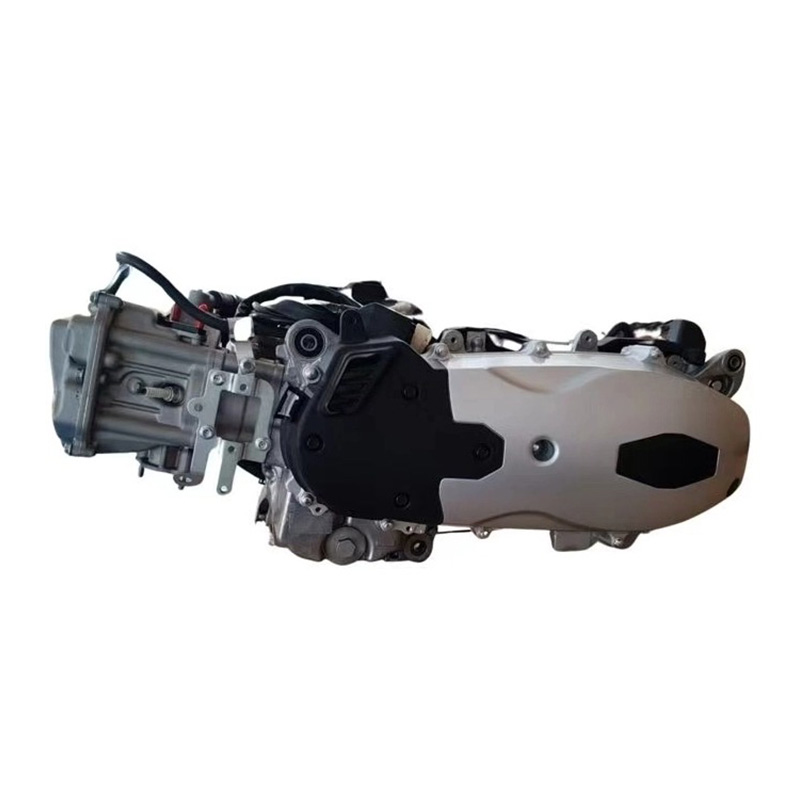
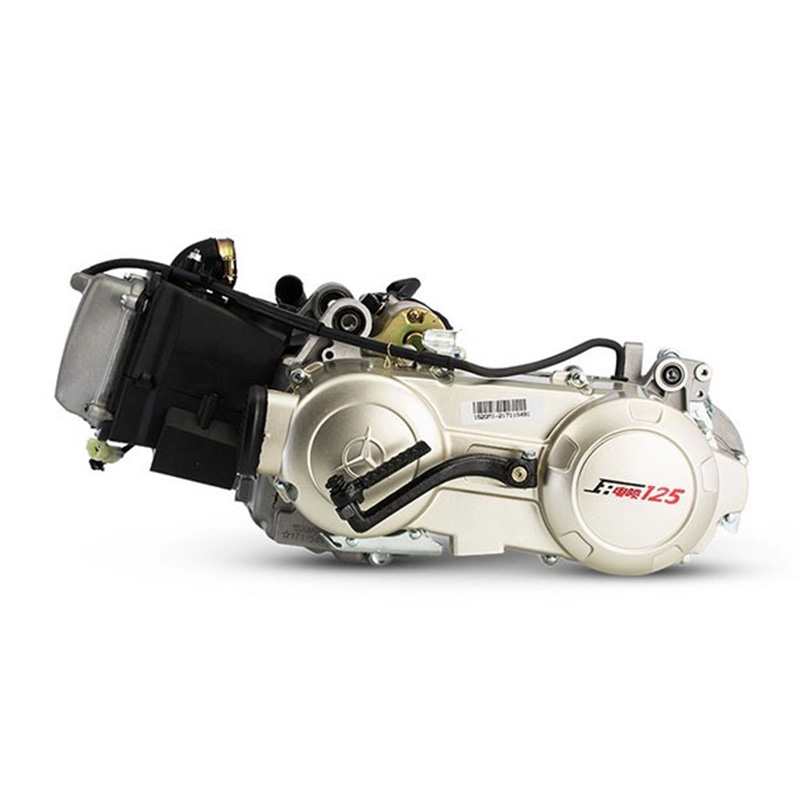
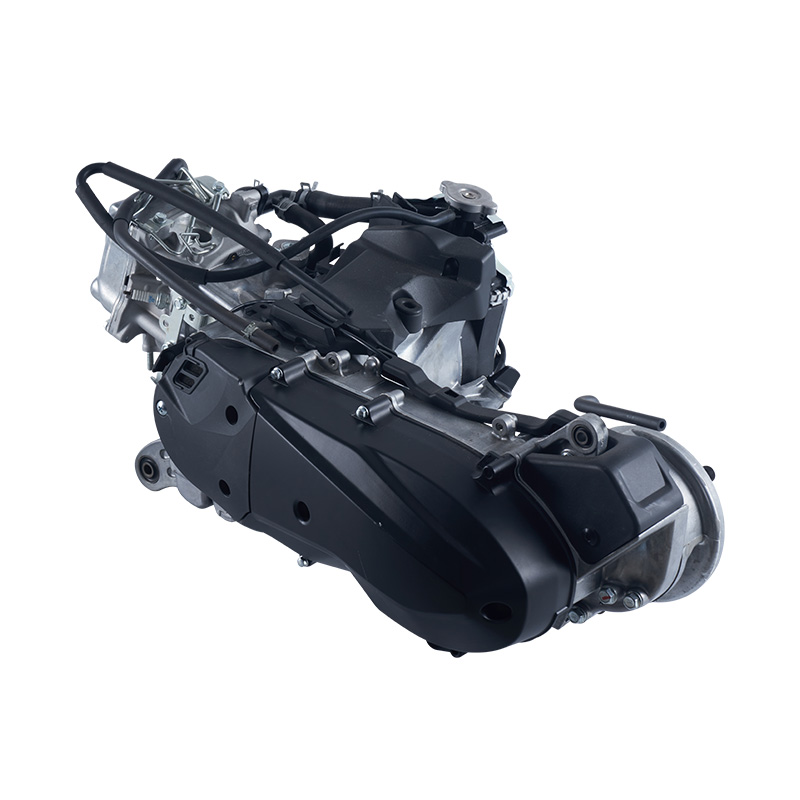
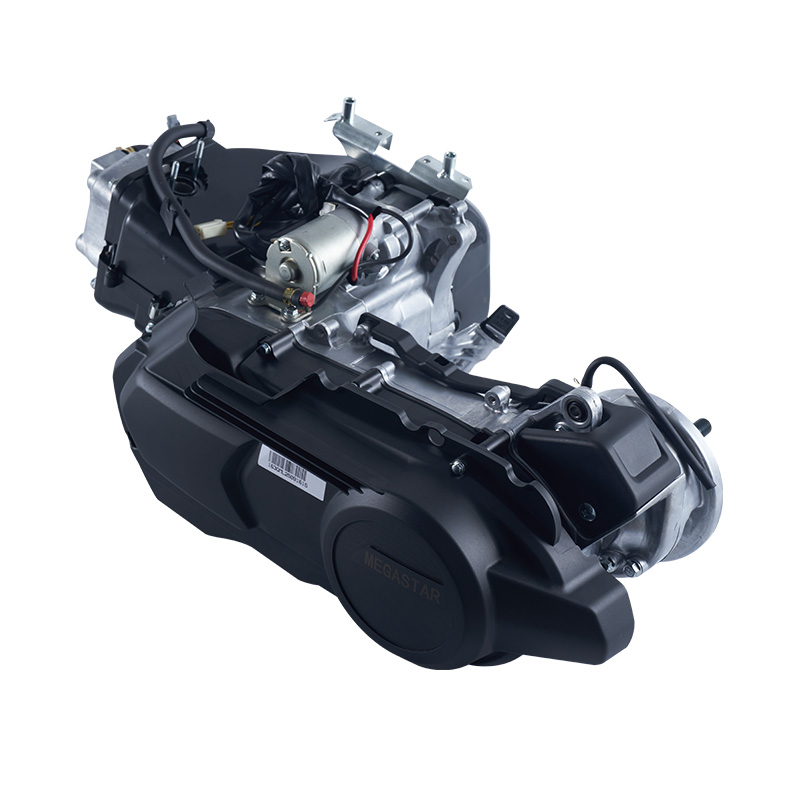
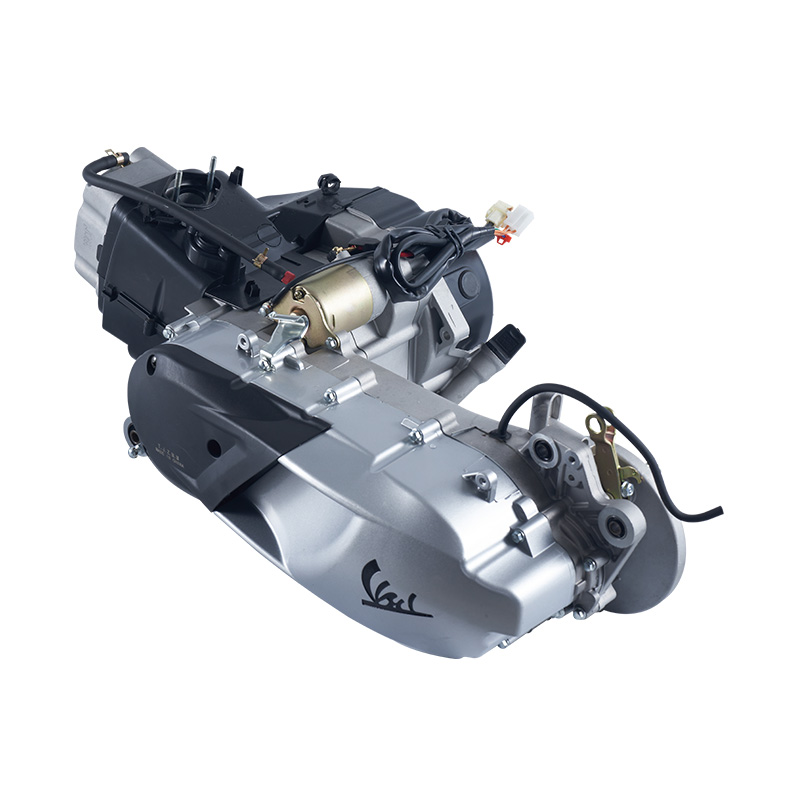
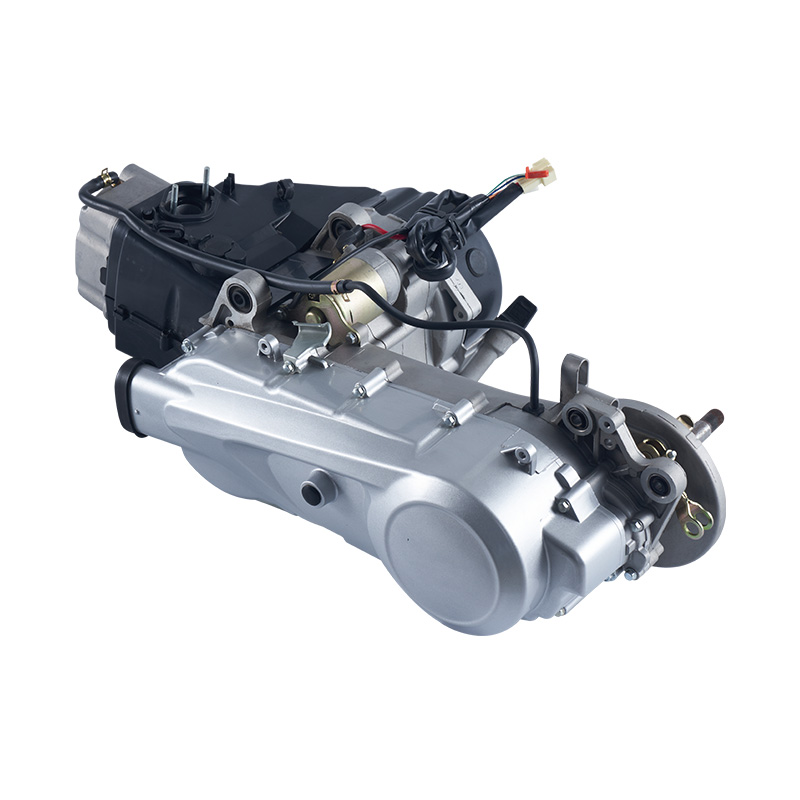
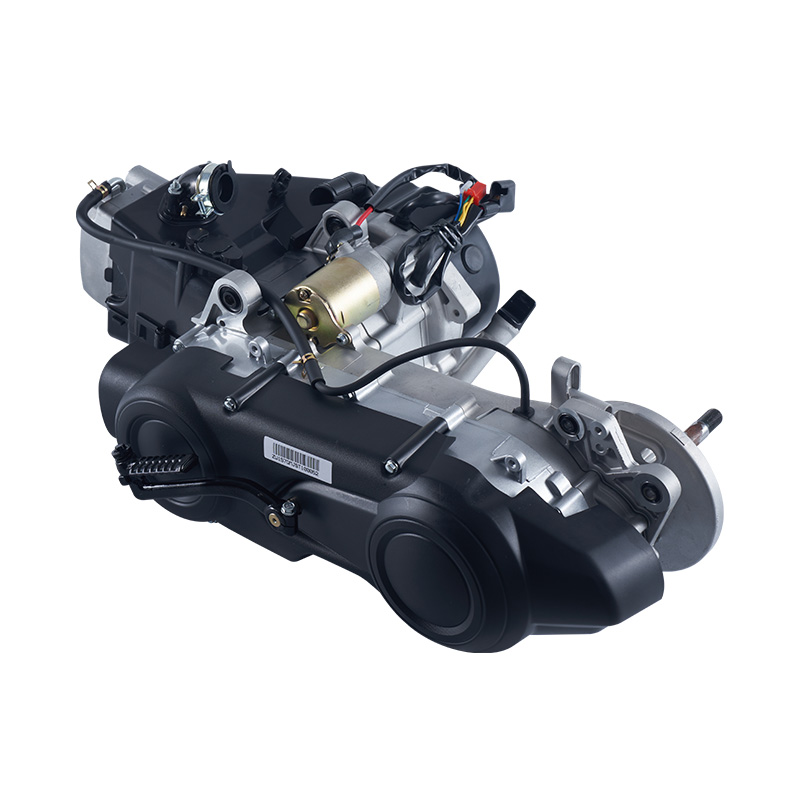
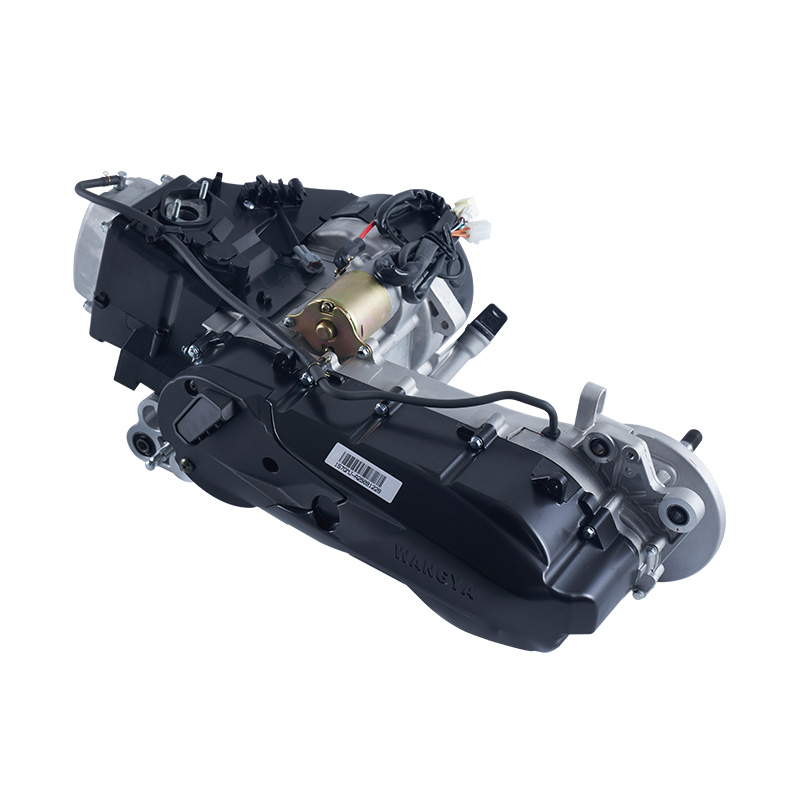
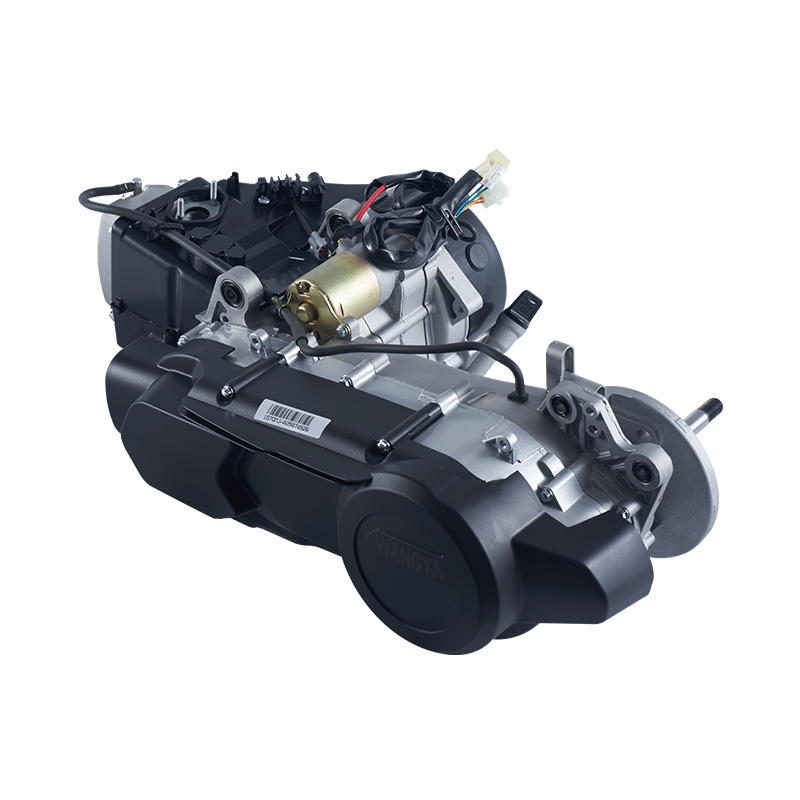
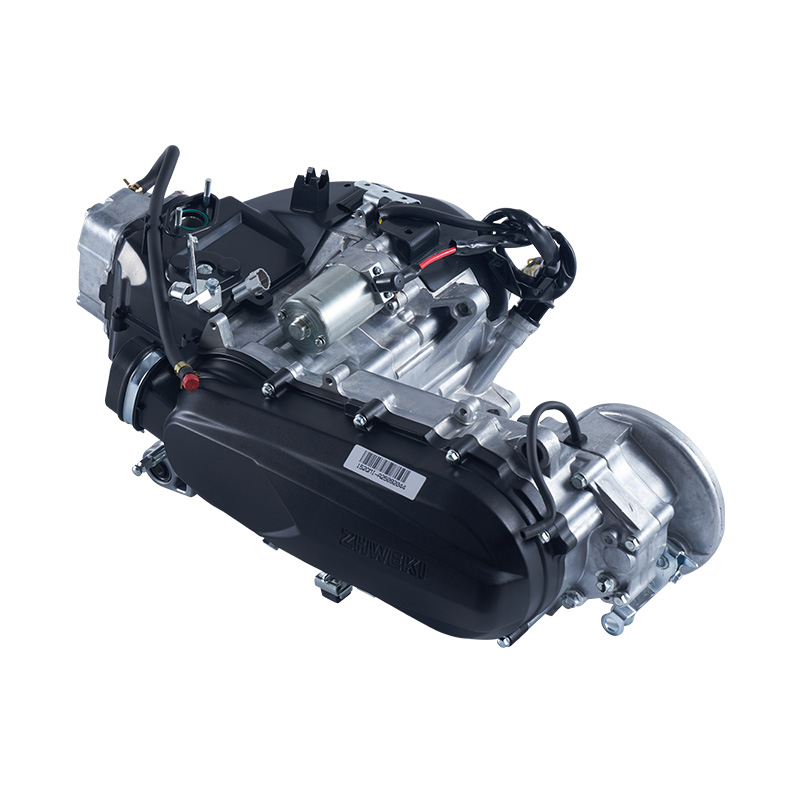
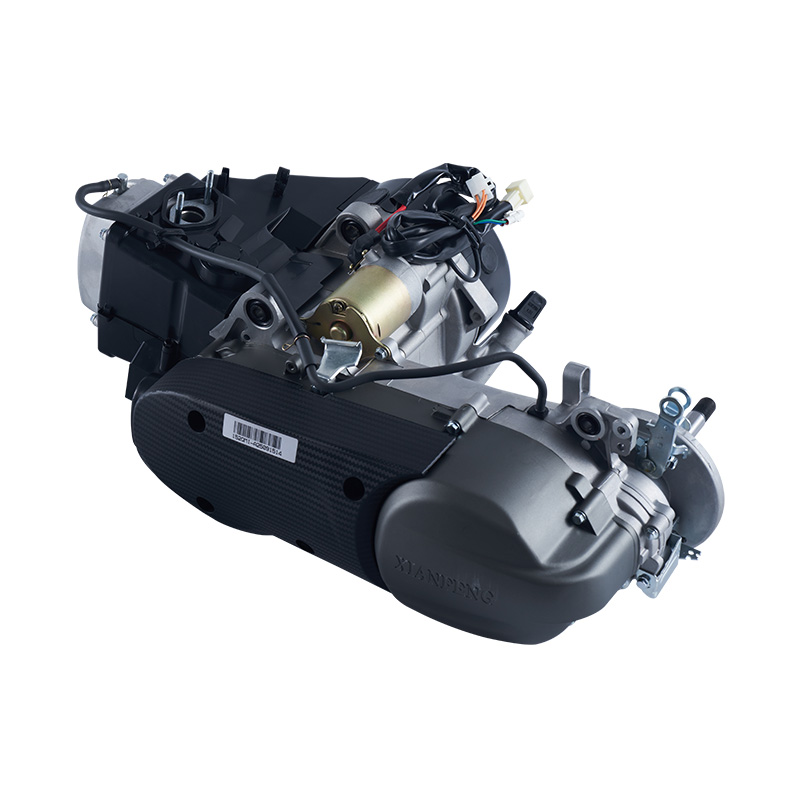
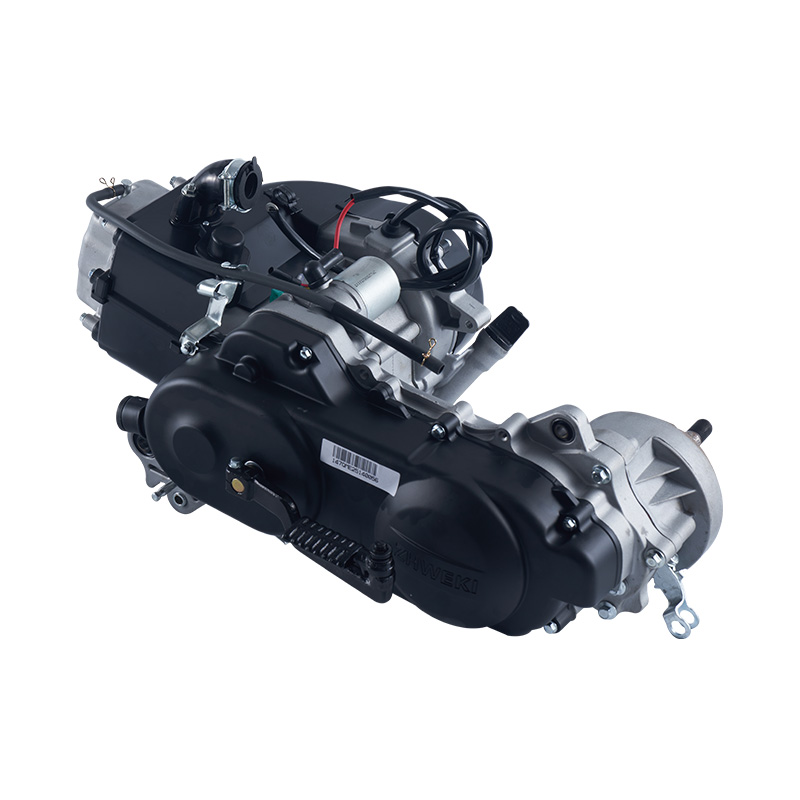
Manufacturers continue to refine the Scooter Engine because it determines daily usability, fuel behavior, and long-term maintenance costs for urban riders. Factories analyze combustion dynamics, cooling paths, and lubrication systems to ensure that each Scooter Engine offers smooth performance across different environments.
(2) Modular development for global markets
To meet varied importer requirements, factories design the Scooter Engine with interchangeable components such as intake modules, crankcases, and transmission housings. This modular structure allows production lines to shift between displacement ranges while maintaining overall consistency.
(3) Compatibility with diverse vehicle platforms
The Scooter Engine also remains important because it can be installed in multiple scooter categories—from compact commuter models to mid-range touring units. Manufacturers therefore prioritize standardization in mounting points and electronics to streamline assembly and export processes.
2. How Do Factories Enhance the Water Cooling Scooter Engine?
(1) Managing heat for steady performance
A Water Cooling Scooter Engine uses a coolant circuit to stabilize temperatures during long-distance travel or heavy traffic. Manufacturers design radiators, pumps, and coolant paths to ensure even heat distribution. This stability helps riders maintain consistent power delivery, especially in warm climates.
(2) Structural decisions for noise and vibration control
To improve rider comfort, factories refine the casing and internal geometry of the Water Cooling Scooter Engine. Coolant circulation reduces the expansion and contraction of metal components, which helps minimize mechanical noise and maintains smoother motion in the engine cycle.
(3) Growing demand in mid-range scooters
Importers increasingly request the Water Cooling Scooter Engine for models aimed at riders who value reliability during multi-purpose travel. Factories respond by offering various radiator sizes and pump capacities so distributors can choose configurations suited for different market conditions.
3. Why Is the Air Cooling Scooter Engine Still Widely Produced?
(1) Simplicity and reduced maintenance needs
Manufacturers maintain production of the Air Cooling Scooter Engine because its design relies on airflow rather than coolant systems. This simplicity benefits regions where maintenance infrastructure is limited. Riders can operate these engines with minimal servicing, making them attractive for large-volume commuter markets.
(2) Lightweight and cost-efficient structure
To support competitive pricing, factories keep the Air Cooling Scooter Engine relatively lightweight by using fin-based cylinders and simplified housings. This structure reduces manufacturing steps and simplifies logistics, which helps importers maintain stable supply chains.
(3) Suitability for short-distance commuting
The Air Cooling Scooter Engine performs well in areas with predictable traffic patterns and moderate temperatures. Manufacturers often recommend this platform for scooters intended for city-center travel or low-speed daily use, where the engine is less likely to experience extended thermal stress.
4. How Do the Three Engine Types Shape Industry Development?
(1) Diverse engineering directions
Ongoing investment in the Scooter Engine allows factories to experiment with improved combustion and transmission systems. These developments influence how new scooters are designed, regardless of cooling method.
(2) Thermal-management advancements
Experience gained from producing the Water Cooling Scooter Engine helps manufacturers refine coolant materials, sealing processes, and electronic controls. These improvements often migrate to higher-powered models and touring scooters.
(3) Continued relevance of air-cooled architectures
Despite increased adoption of water-cooled systems, the Air Cooling Scooter Engine remains important for budget-focused distributors. Its simplicity ensures that factories can support markets where affordability and straightforward maintenance matter most.
What Do These Trends Reveal About the Powertrain Sector?
The evolving Scooter Engine, together with the refined Water Cooling Scooter Engine and the consistently popular Air Cooling Scooter Engine, demonstrates how manufacturers balance engineering complexity with global market needs. These categories illustrate a powertrain landscape shaped by durability, ease of use, and adaptable thermal-management strategies—key factors driving long-term development within the scooter industry.


 English
  中文简体
中文简体 русский
 Español
 عربى
عربى