1. Why Is the 120cc Scooter Motorcycle Moped Becoming More Important for Factories?
(1) Meeting mid-range commuting needs
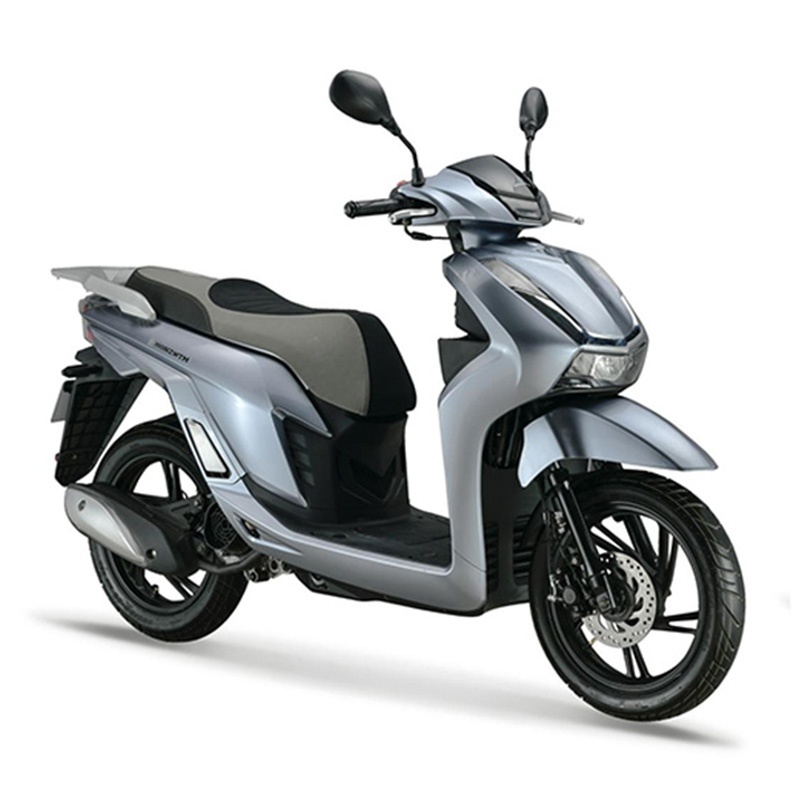
From a manufacturing standpoint, the 120cc Scooter Motorcycle Moped has grown in relevance because it fits riders who need slightly stronger acceleration without moving to large-displacement vehicles. Factories design these units with balanced fuel systems and moderate torque curves, making them practical for hilly urban routes.
(2) Production flexibility
A 120cc Scooter Motorcycle Moped offers factories an opportunity to diversify their assembly lines. Many components—such as frames, electrical systems, and wheel assemblies—can be shared with other midsize scooter categories. This allows manufacturers to shift output based on importer demand while keeping tooling changes manageable.
(3) Export suitability
Importers often select the 120cc Scooter Motorcycle Moped for areas where riders require a mix of commuting convenience and occasional longer trips. Manufacturers respond by tuning engines for sustained reliability at moderate speeds, ensuring the models adapt well to various road conditions.
2. How Are Factories Enhancing the Low-Noise Motorbike Category?
(1) Addressing residential and campus environments
A Low-Noise Motorbike has become vital for regions with sound-sensitive zones. Manufacturers adjust exhaust pathways, valve timings, and body insulation to keep mechanical vibration at a mild level. These refinements help riders use the vehicles during early-morning or late-evening hours without disturbing nearby residents.
(2) Engineering improvements for quieter operation
To strengthen the character of a Low-Noise Motorbike, factories refine gear designs, intake ducts, and internal damping. These technical choices reduce metallic sound transfer, which contributes to a comfortable riding experience for both the operator and surrounding pedestrians.
(3) Market appeal in regulated cities
Many urban districts encourage the adoption of the Low-Noise Motorbike because it supports noise-control objectives. For manufacturers, this trend broadens the potential for long-term partnerships with distributors focused on environmentally conscious transportation strategies.
3. What Drives the Growing Attention Toward the Ladies Motorcycle?
(1) Ergonomic adjustments
The Ladies Motorcycle segment pushes factories to reconsider ergonomics. Designers often modify seat width, handlebar reach, and overall weight distribution so the motorcycle remains manageable for riders seeking a comfortable stance. These adjustments do not diminish durability; they simply align the motorcycle with user preference.
(2) Aesthetic customization
Manufacturers explore color palettes and body styling specific to the Ladies Motorcycle category. The goal is not to restrict choices but to offer a broader range of designs that appeal to varied tastes. This approach helps importers build retail segments that feel inclusive and approachable.
(3) Expanding participation in commuter markets
As more riders begin using a Ladies Motorcycle for work commutes or casual travel, factories recognize the value of refining this category further. Their investment supports importer strategies aimed at attracting riders who prefer motorcycles that balance ease of operation with visual appeal.
4. Why Do Small-Vehicle Producers Continue to Develop the Mini Motorcycle?
(1) Compact mobility advantages
A Mini Motorcycle remains popular in neighborhoods, vacation areas, and recreational zones. Manufacturers build these models with simplified controls and compact frames, allowing riders to maneuver in tight spaces. This practicality strengthens its placement in entry-level and leisure markets.
(2) Production and shipping convenience
Because a Mini Motorcycle uses fewer components and compact packaging, factories appreciate the ease of warehouse storage and international shipping. Importers benefit from reduced freight volume, which helps manage inventory rotation.
(3) Versatility for various rider groups
Factories also develop the Mini Motorcycle as a training tool for new riders or as a fun option for weekend use. Its modest size encourages confidence, which supports importer programs aimed at broadening the customer base.
How Do These Categories Shape Manufacturing Priorities?
From the practical power range of the 120cc Scooter Motorcycle Moped to the urban-friendly character of the Low-Noise Motorbike, and from the ergonomic direction of the Ladies Motorcycle to the compact convenience offered by the Mini Motorcycle, manufacturers continue refining segments that cater to diverse riding habits. These developments reflect a global industry working to meet varied commuter needs, regulatory conditions, and lifestyle preferences through targeted product design and adaptable production strategies.


 English
  中文简体
中文简体 русский
 Español
 عربى
عربى