1. Why Has the Urban Commuting Scooter Motorcycle Become a Core Focus for Factories?
(1) Responding to dense-city travel patterns
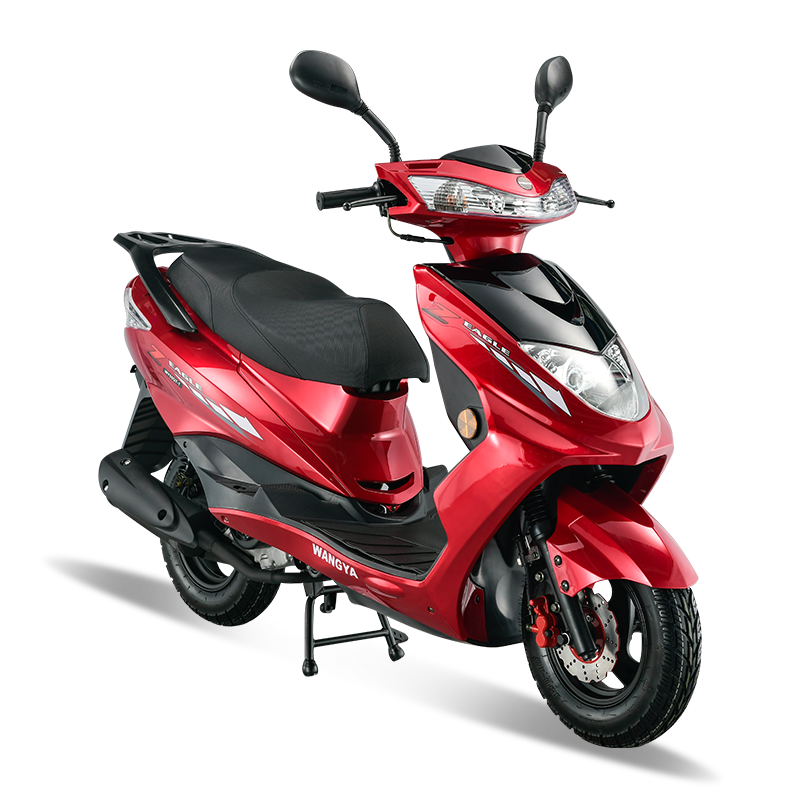
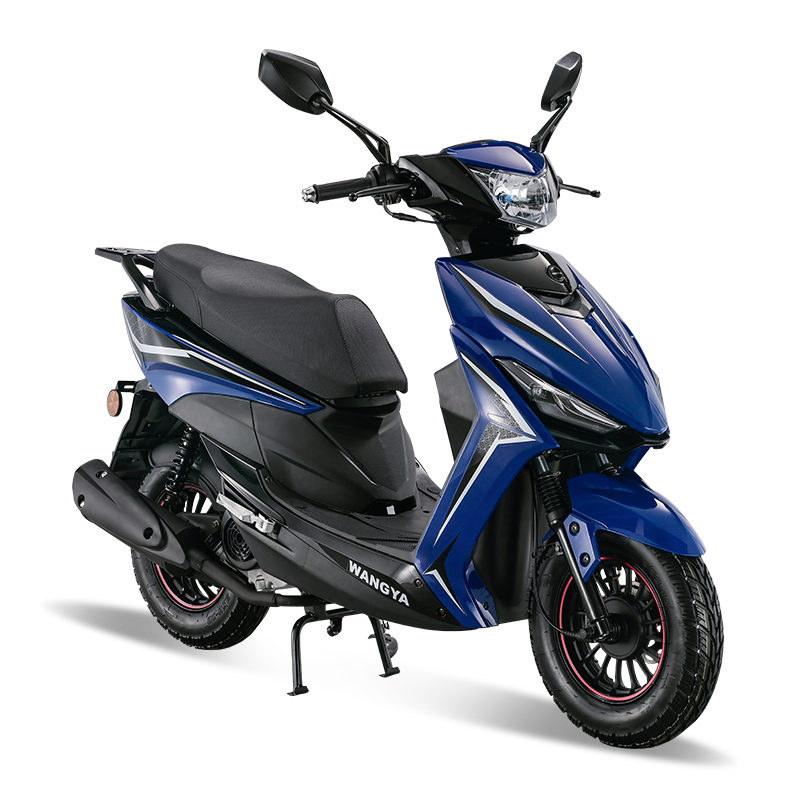
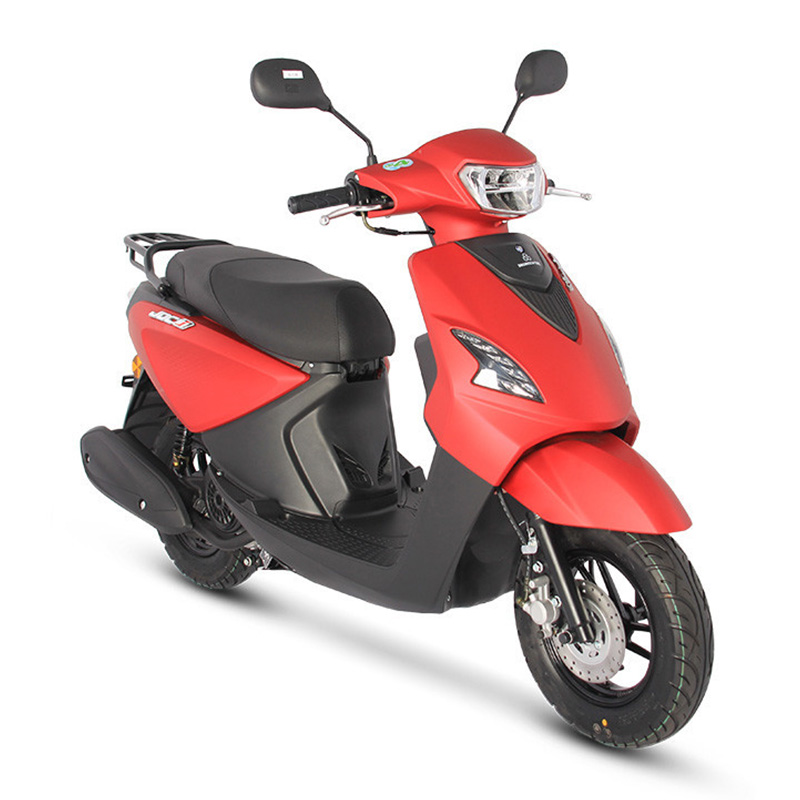
Manufacturers highlight the Urban Commuting Scooter Motorcycle as a practical solution for crowded districts. Its compact structure and smooth acceleration let riders move through traffic with minimal effort. Factories refine engine tuning and frame balance so the vehicle performs consistently under stop-and-go conditions common in major cities.
(2) Engineering for everyday reliability
To strengthen the usability of the Urban Commuting Scooter Motorcycle, engineers concentrate on lightweight frames, durable plastics, and simplified wiring systems. These decisions reduce maintenance demands, which is valuable for riders who rely on the scooter each day.
(3) Expansion into global retail channels
Importers seeking stable commuter products often choose the Urban Commuting Scooter Motorcycle because it serves a wide range of customers—from office workers to delivery riders. As a result, factories maintain steady production capacity for this category, ensuring predictable supply cycles for distributors.
2. What Drives Production Growth in the 125cc Scooter Motorcycle Moped Segment?
(1) Balanced performance within small-engine classes
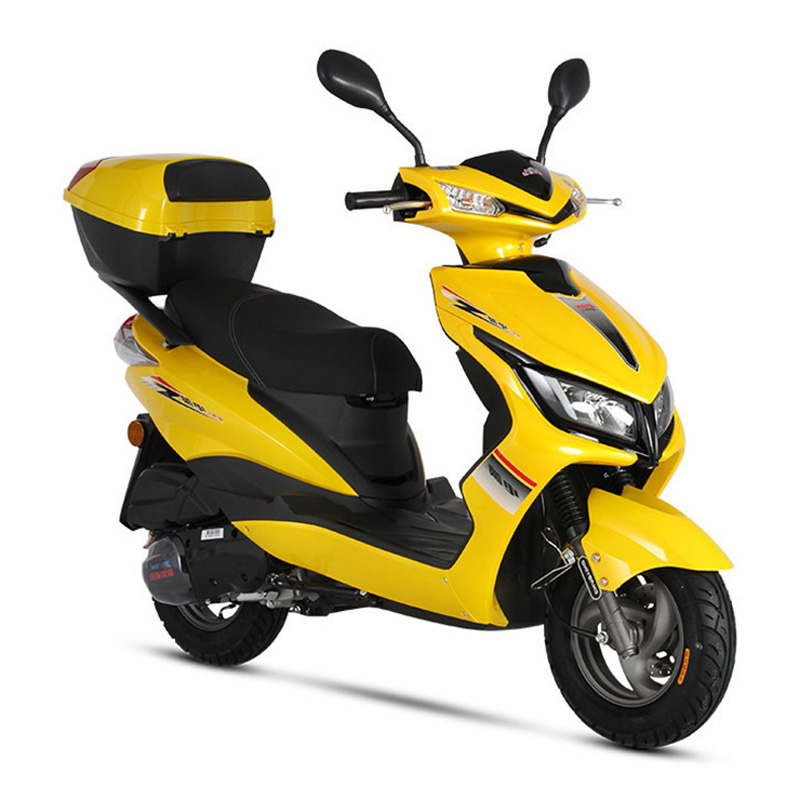
A 125cc Scooter Motorcycle Moped offers noticeably stronger acceleration than micro-displacement units, yet remains accessible for new riders. Manufacturers find the category attractive because it allows them to use mid-range engine platforms while keeping fuel systems simple and affordable.
(2) Flexibility in adapting to global regulations
Since many countries classify the 125cc Scooter Motorcycle Moped within manageable licensing tiers, factories design engines that comply with emission and noise requirements without complex modifications. The segment's regulatory compatibility encourages exporters to promote this model type for both urban and suburban use.
(3) Support for importer diversification
Distributors often request variations of the 125cc Scooter Motorcycle Moped, including models with different storage layouts, braking systems, or suspension settings. Factories respond by adjusting component combinations on shared assembly lines. This structured flexibility allows buyers to offer multiple trims without the cost of separate platforms.
3. Why Is the Women Motorcycle Gaining Attention in the Manufacturing Sector?
(1) Ergonomic design considerations
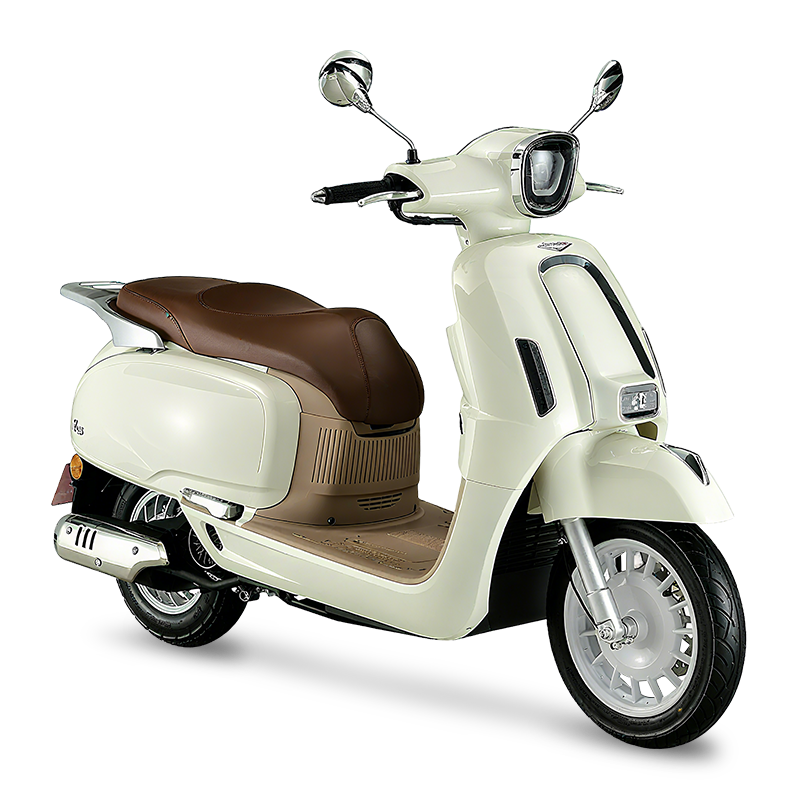
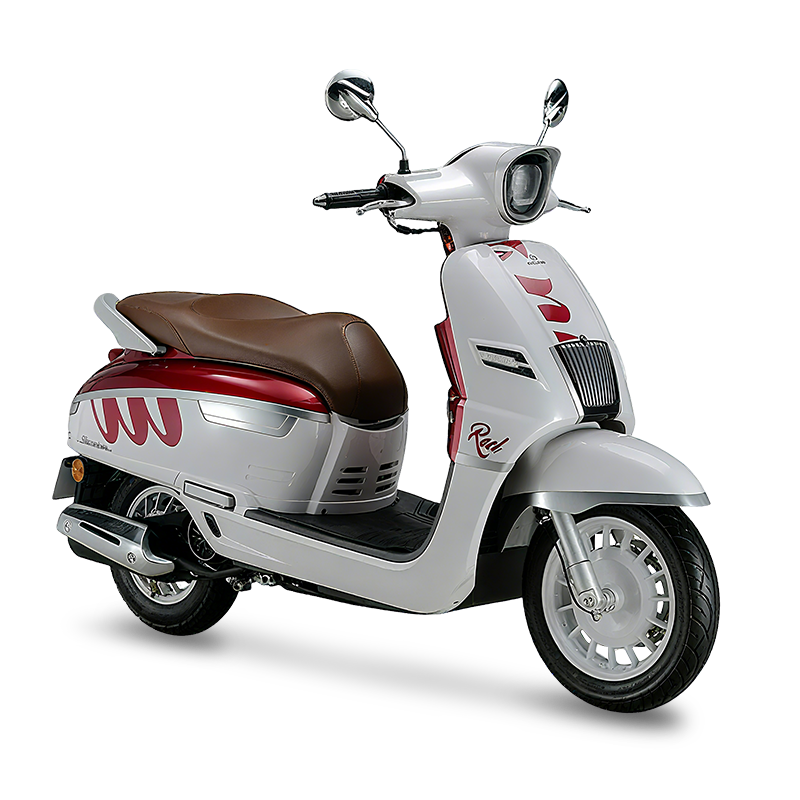
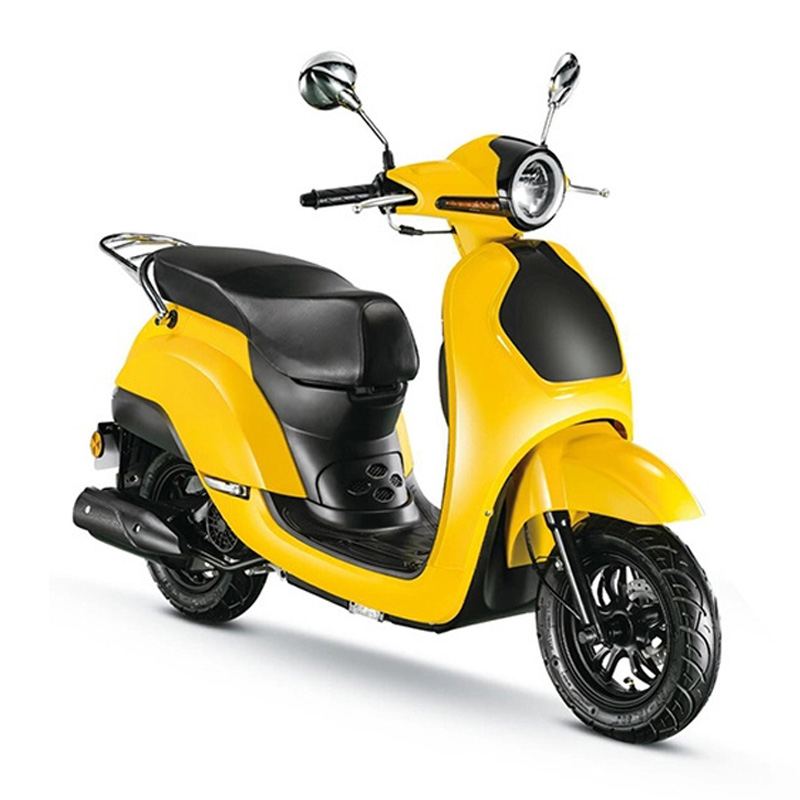
The Women Motorcycle prompts factories to refine ergonomics more thoughtfully. Adjustments may include lower seat height, narrower handlebars, and a balanced center of gravity. These design details provide riders with improved comfort and predictable handling in urban settings.
(2) Styling and accessory development
Manufacturers also broaden the visual identity of the Women Motorcycle. While mechanical performance remains consistent with comparable models, factories experiment with softer contours, varied color schemes, and accessory options. This approach helps importers create product lines that appeal to riders seeking motorcycles that reflect personal style.
(3) Expanding market participation
As more commuters adopt the Women Motorcycle for daily travel, factories see long-term value in refining the category. The segment contributes to growing industry participation among riders who may have previously avoided two-wheel transportation. This encourages continuous improvement in frame geometry and weight management.
4. How Do These Categories Together Influence Manufacturing Strategies?
(1) Integration of rider-focused engineering
The development of the Urban Commuting Scooter Motorcycle encourages factories to improve agility and fuel efficiency across their product lines. These advancements often influence how engineers approach chassis stability or material selection in other segments.
(2) Shared production benefits from mid-range units
The 125cc Scooter Motorcycle Moped provides manufacturers with a stable foundation for modular assembly. Its components often inform the design of similar scooters, creating efficiency in parts procurement and global logistics.
(3) Consumer diversification driven by inclusive design
The rise of the Women Motorcycle reinforces the need for adaptable ergonomics. By addressing comfort and style requirements, factories broaden their reach while strengthening cooperation with distributors targeting diverse rider groups.
What Do These Trends Reveal About the Industry?
The worldwide emphasis on the Urban Commuting Scooter Motorcycle, the practical performance of the 125cc Scooter Motorcycle Moped, and the growing presence of the Women Motorcycle demonstrates how manufacturers adapt to new commuting habits and rising consumer diversity. Together, these categories show an industry steadily refining engineering methods, production planning, and design strategies to meet a wide range of global transportation needs.


 English
  中文简体
中文简体 русский
 Español
 عربى
عربى