1. Why Are Factories Increasing Production of the 150cc Scooter Motorcycle Moped?
(1) Meeting commuter and cargo needs
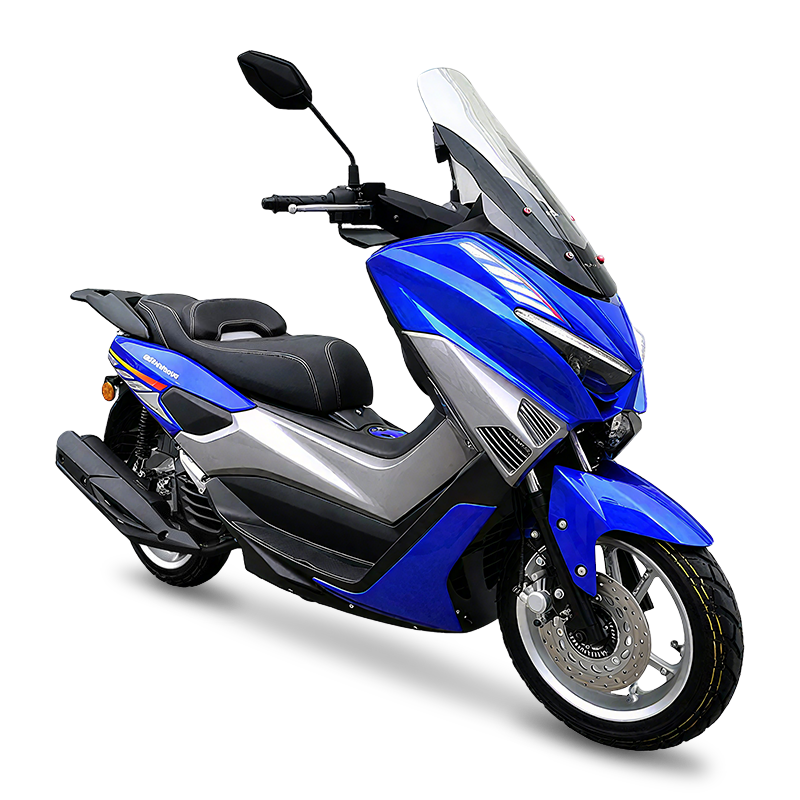
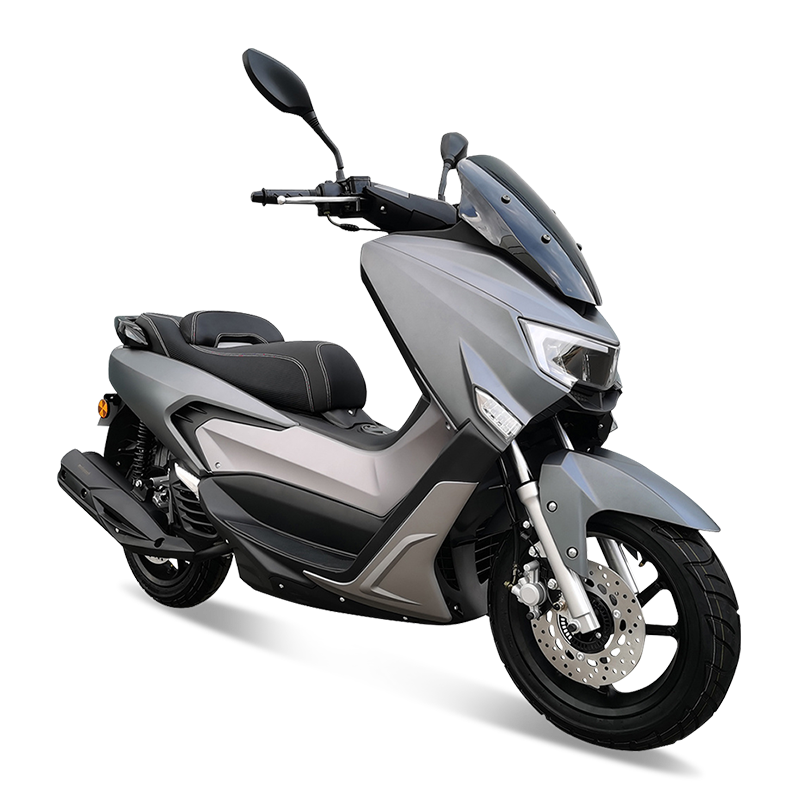
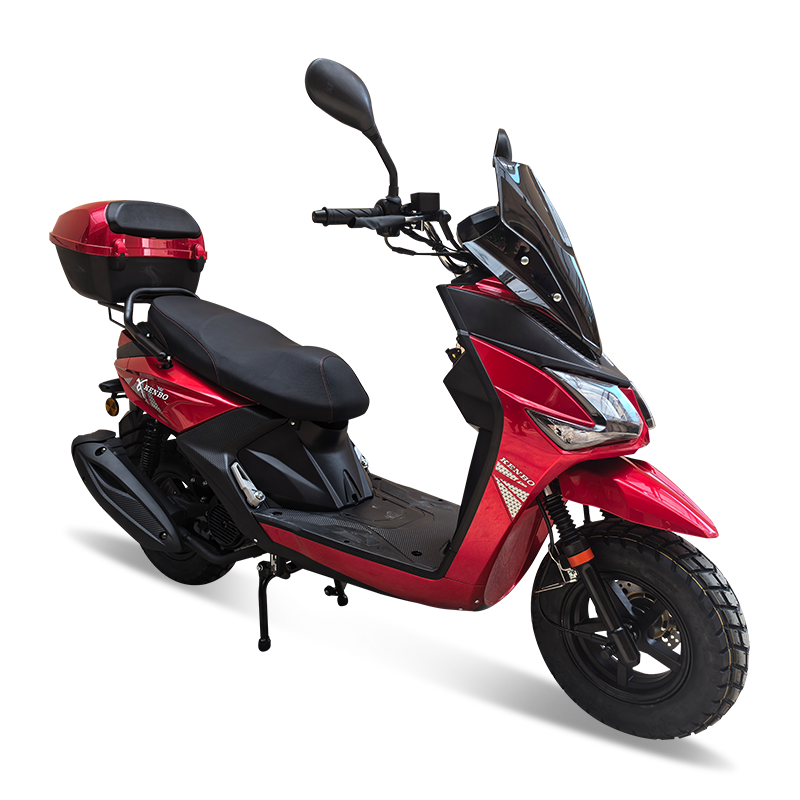
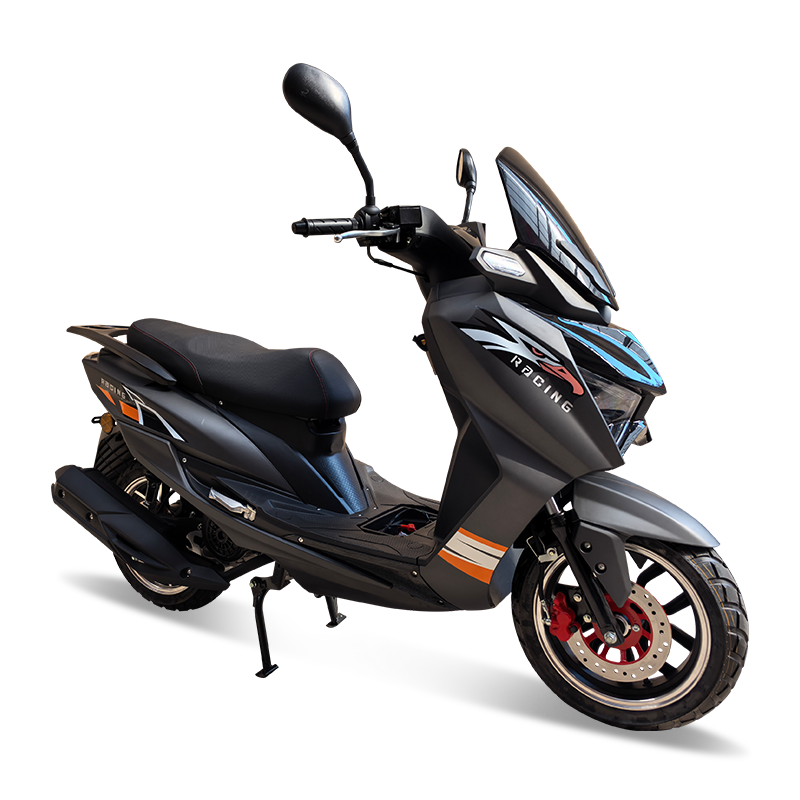
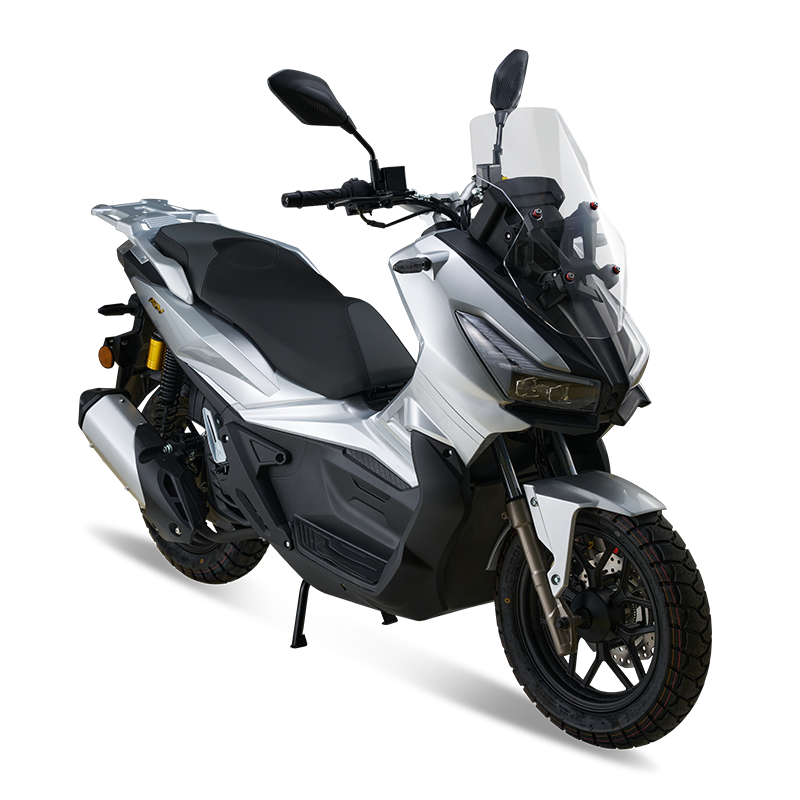
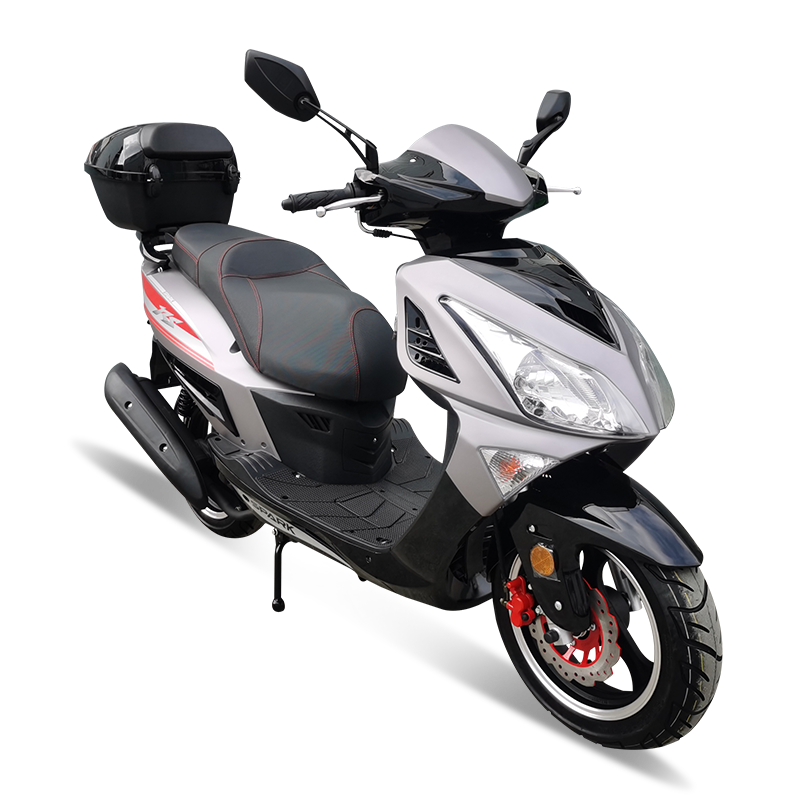
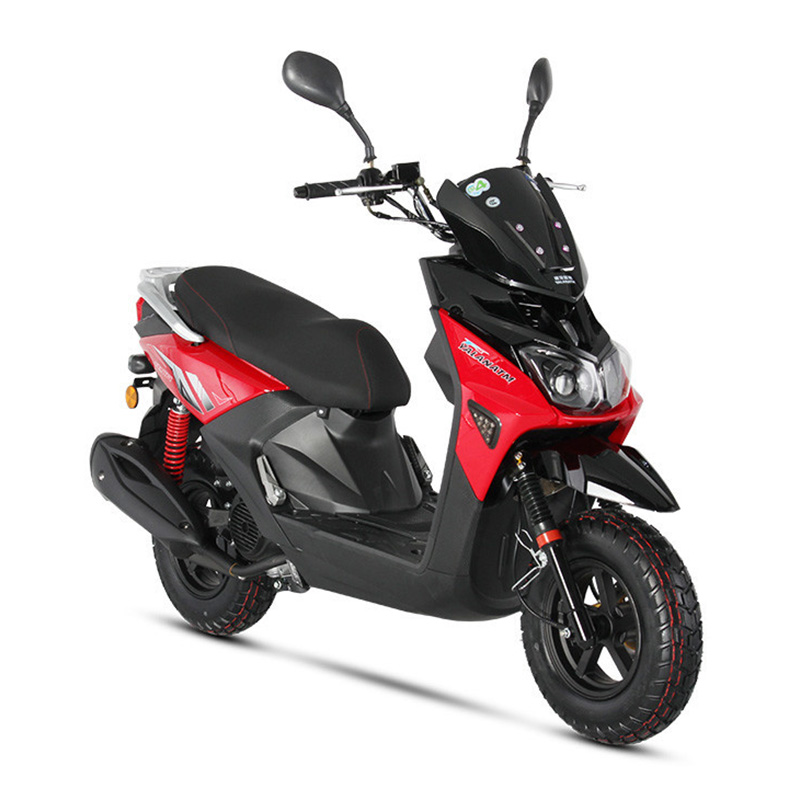
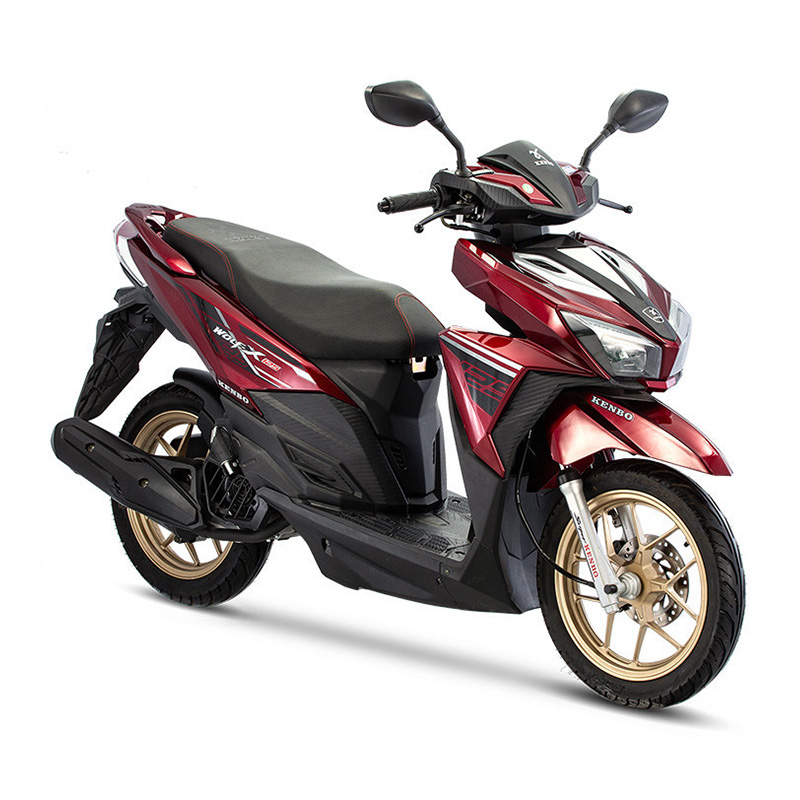
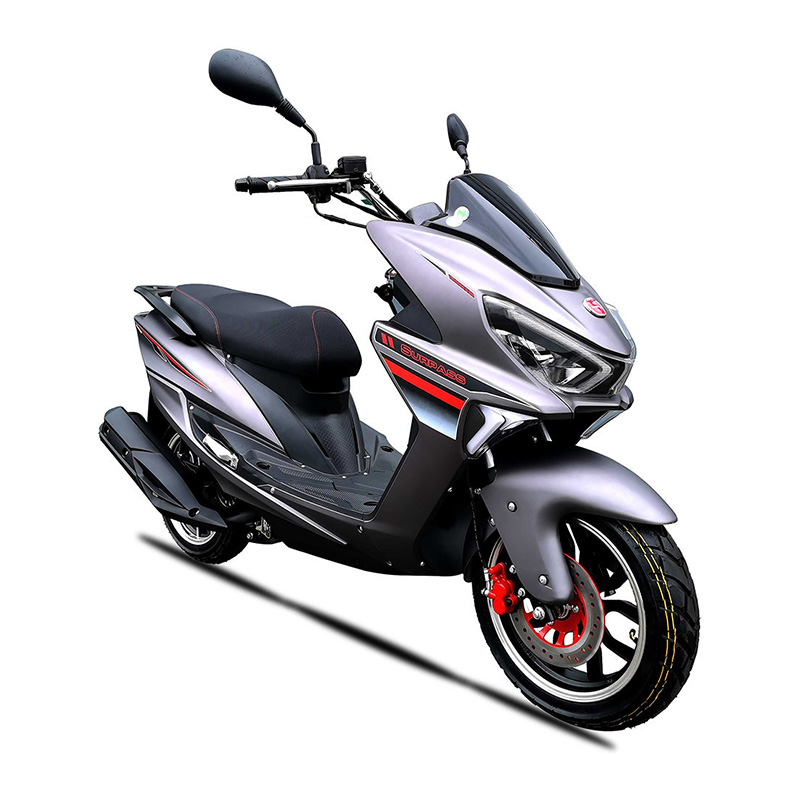
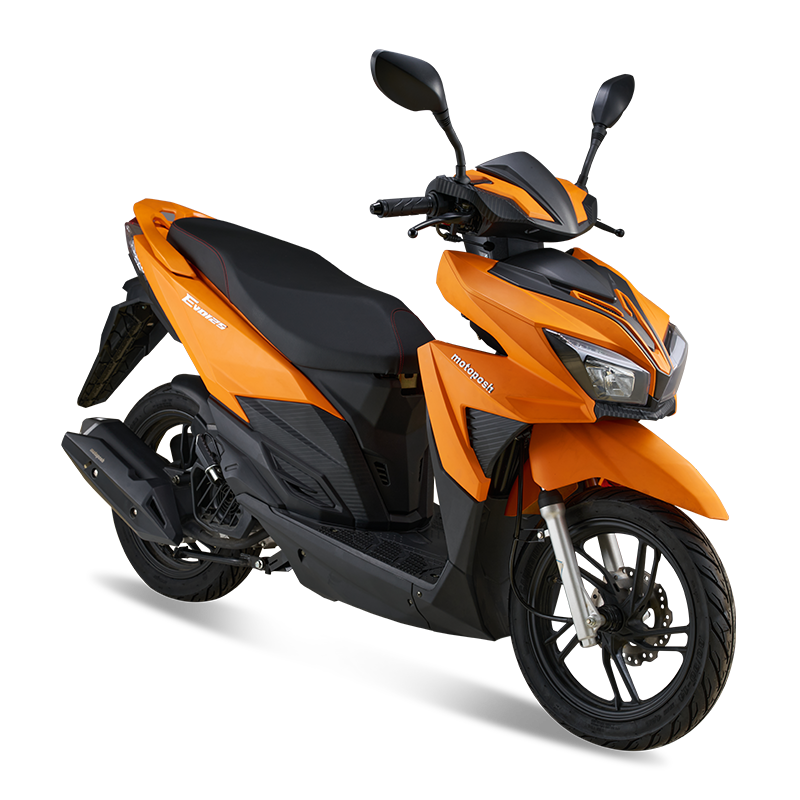
Manufacturers recognize the 150cc Scooter Motorcycle Moped as a practical choice for riders who require stronger power than entry-level scooters. This category supports moderate cargo loads and handles daily stop-and-go routes with consistent acceleration, making it suitable for dense urban areas as well as short suburban trips.
(2) Balanced engineering and scalability
To refine the 150cc Scooter Motorcycle Moped, factories focus on mid-displacement engines that balance responsiveness with manageable fuel usage. Shared frame platforms and interchangeable components allow manufacturers to expand or reduce production quickly, supporting importer forecasts and seasonal fluctuations.
(3) Growth in global demand
Many distributors prefer the 150cc Scooter Motorcycle Moped because it fills a gap between lightweight scooters and larger motorcycles. Manufacturers tune these units for comfortable cruising at moderate speeds, which attracts riders who want a versatile commuter that can also handle occasional longer rides.
2. How Are Factories Adapting to the Rising Demand for the Off-Road Motorcycle?
(1) Structural reinforcement for rough terrain
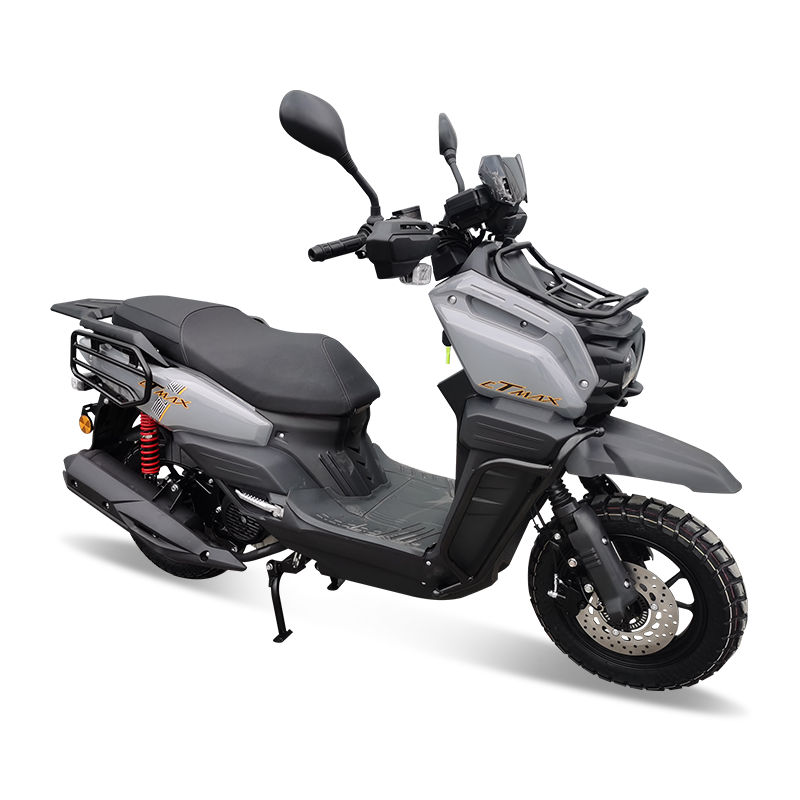
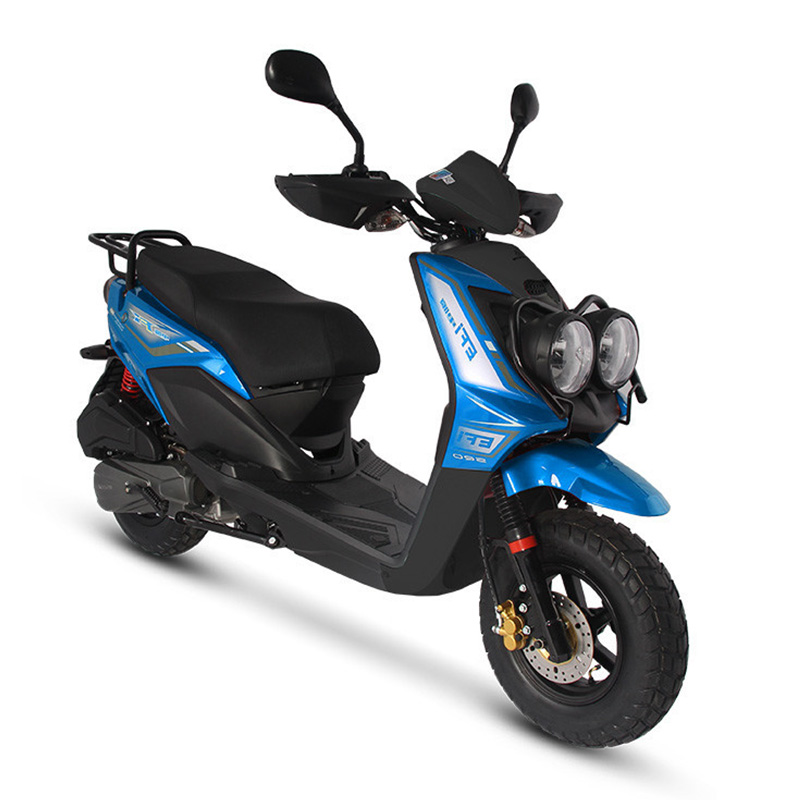
The Off-Road Motorcycle requires durable construction, and factories invest in reinforced frames, long-travel suspension, and protective covers to withstand stones, dust, and irregular trails. These engineering choices ensure that riders can maintain control on uneven surfaces without excessive fatigue.
(2) Material choices and testing procedures
To support the rugged nature of an Off-Road Motorcycle, manufacturers often use alloy components, impact-resistant plastics, and heat-treated steel. Factories perform stability and vibration testing to verify performance under demanding conditions, ensuring that export units meet diverse climate and terrain expectations.
(3) Expanding into recreational and utility segments
The Off-Road Motorcycle plays a role not only in sports but also in agricultural work, patrolling, and tourist activities. Manufacturers respond to this broadened demand by producing models with variable seat heights, tire patterns, and protective guards, giving importers multiple configurations for different market niches.
3. Why Has the ABS Dual-Channel Motorcycle Become a Priority for Safety-Focused Manufacturers?
(1) Improving braking stability
The ABS Dual-Channel Motorcycle is gaining traction because dual-channel systems manage both front and rear wheels independently. Factories enhance sensor calibration and controller responsiveness so riders experience stable braking performance on wet pavement, gravel, or emergency stop situations.
(2) Compliance with safety regulations
Many countries now require or encourage the use of an ABS Dual-Channel Motorcycle for certain displacement levels. Manufacturers update braking modules, wheel hubs, and electronic wiring to ensure that export models satisfy regional safety standards without major assembly line changes.
(3) Compatibility with multiple motorcycle types
The ABS Dual-Channel Motorcycle system is applied not only to commuter bikes but also to touring and off-road categories. Manufacturers appreciate the adaptability of this technology because it can be installed across several platforms, improving safety while keeping design modifications manageable.
4. How Do These Three Categories Influence Industry Direction?
(1) Mid-range scooters drive commuter innovation
The refinement of the 150cc Scooter Motorcycle Moped pushes factories to develop engines that are efficient, smooth, and easy to maintain. This engineering progress often influences other scooter models that share similar layouts.
(2) Off-road models expand manufacturing expertise
Investment in the Off-Road Motorcycle strengthens factory knowledge in suspension systems, frame geometry, and durability testing. These capabilities sometimes spill over into street motorcycles that benefit from rugged construction techniques.
(3) Safety technology adoption accelerates platform upgrades
As the ABS Dual-Channel Motorcycle becomes more common, manufacturers standardize electronic modules and braking components. This trend improves overall product reliability and gives distributors more safety-focused models to sell.
What Do These Developments Reveal About Global Manufacturing?
The rising relevance of the 150cc Scooter Motorcycle Moped, the versatile role of the Off-Road Motorcycle, and the increasing use of the ABS Dual-Channel Motorcycle show how factories adapt to evolving rider expectations. These segments highlight a manufacturing landscape shaped by practical commuting, rugged mobility, and improved braking technology—all contributing to a more diverse and technically mature motorcycle industry.


 English
  中文简体
中文简体 русский
 Español
 عربى
عربى